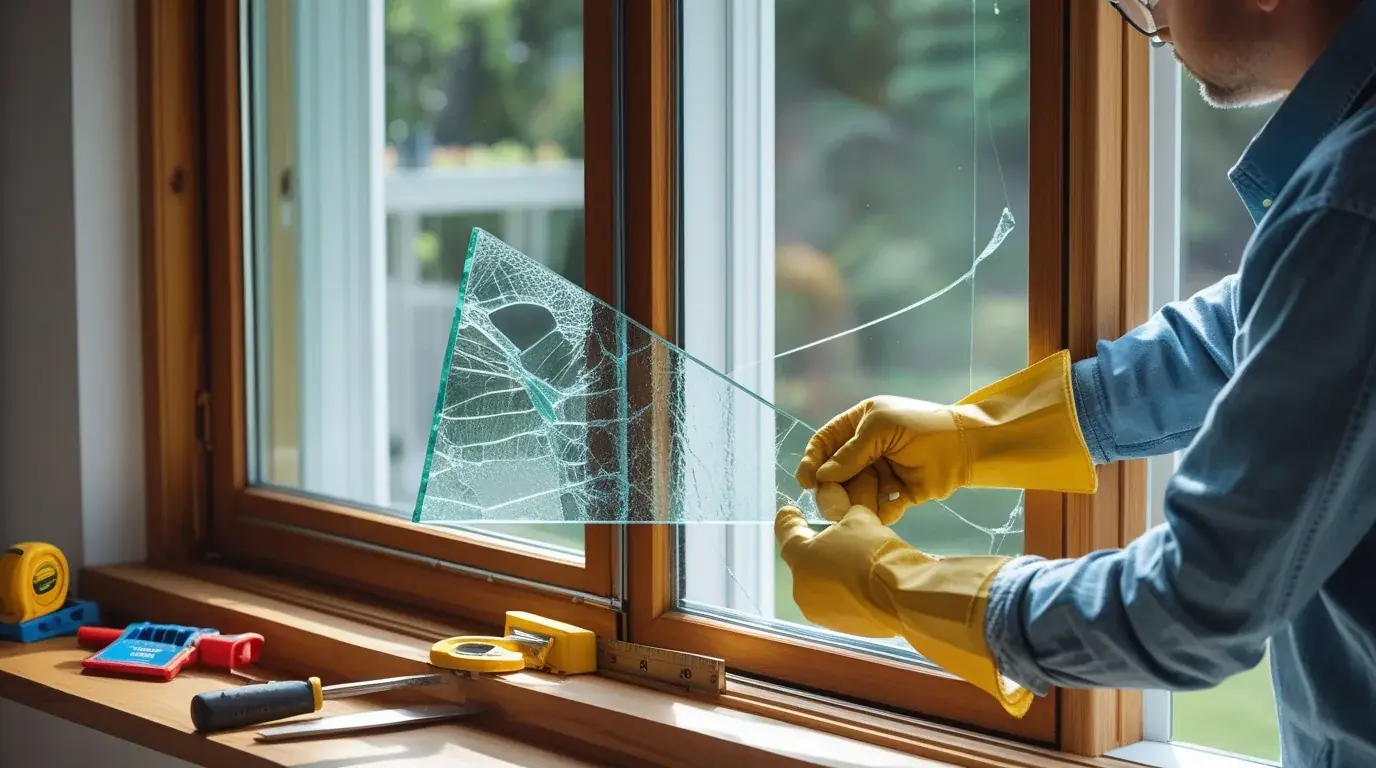
Fenestration deployment relies heavily on precise material handling, where structural glazing units interface directly with framing components under demanding physical constraints. During the execution phase, architectural glass units experience diverse mechanical stresses, ranging from point-load impacts during transport to torsional twisting induced by out-of-square rough openings. Consequently, sudden structural shattering represents a critical operational hazard that threatens project timelines, labor safety, and overall budgetary integrity.
Installers and project managers frequently approach glass management as an incidental handling task, assuming standard caution is sufficient to prevent damage. However, this superficial perspective ignores complex material dynamics such as edge-seam micro-fissures, thermal shock gradients, and localized stress concentration points within insulated glass units. When installation crews overlook these structural realities, minor handling slips or improper shimming forces can trigger catastrophic glass failure.
Addressing these vulnerabilities requires a comprehensive operational strategy. By examining systemic failure triggers, stress distribution frameworks, and precise mitigation protocols, construction teams can systematically reduce site risks. Ultimately, understanding proper protocols ensures both site safety and long-term envelope durability.
Understanding “how to manage glass breakage during window installation”
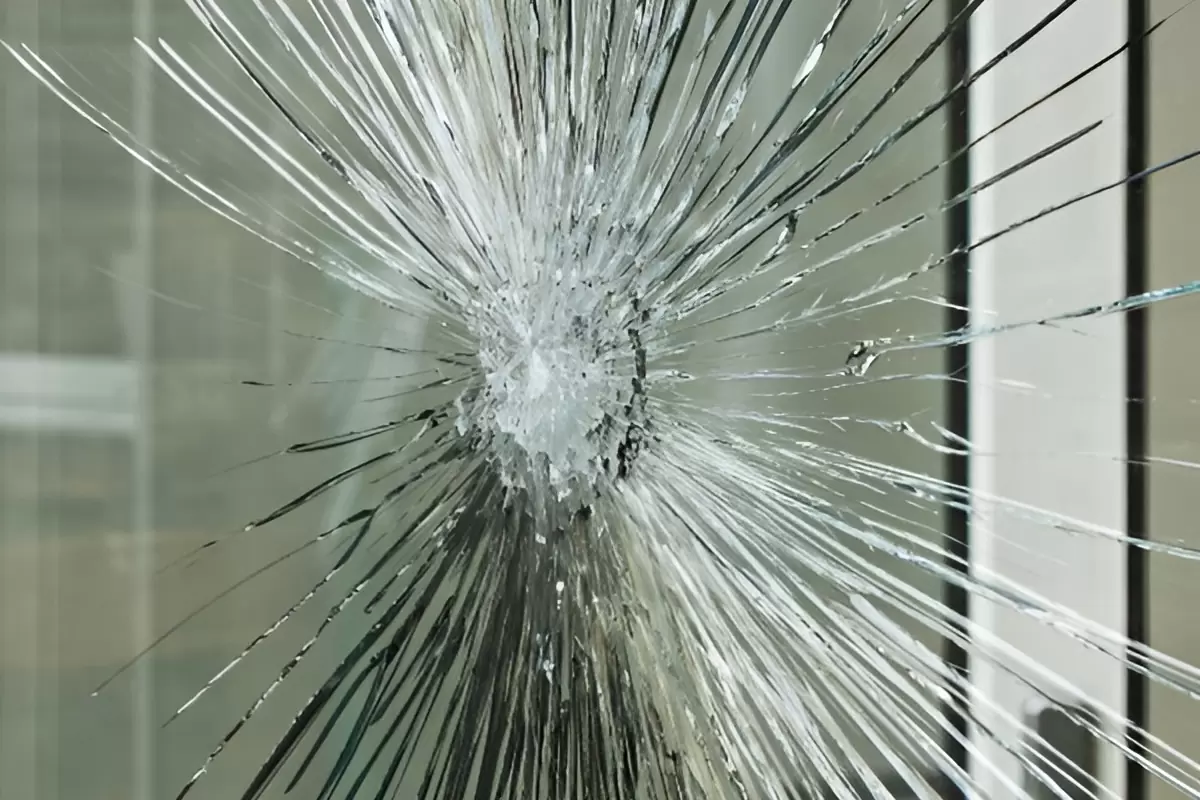
The phrase how to manage glass breakage during window installation encompasses the technical protocols, safety procedures, risk mitigation steps, and contingency plans required when handling, positioning, and securing architectural glass units within rough openings. Evaluating this specialized discipline demands synthesizing material science, structural engineering, and risk management principles. Furthermore, misconceptions typically arise from treating glass as a rigid, uniform material rather than a brittle medium sensitive to minor edge flaws and uneven stress vectors.
Stakeholders frequently focus solely on cleanup and replacement costs after a failure occurs, neglecting proactive prevention and root-cause analysis. Oversimplification leads to relying on basic handling habits that fail to account for wind loads during placement or thermal expansion differentials. Therefore, teams often encounter repeat fractures across projects because underlying structural stressors remain unaddressed.
Achieving true operational optimization involves addressing four primary mitigation vectors:
-
Edge protection and padding: Shielding vulnerable glass perimeters from direct contact with hard masonry, concrete, or steel framing elements during transit and placement.
-
Load-bearing shim distribution: Supporting insulated glass units uniformly on resilient, non-compressible setting blocks to prevent localized bending moments.
-
Environmental monitoring: Tracking ambient temperature fluctuations to avoid thermal shock when cold glass meets warm structural openings or vice versa.
-
Torsional stress prevention: Ensuring rough openings are plumb, level, and square before forcing units into fixed positions.
When execution coordinates these vectors, the installation workflow safely minimizes accident rates. Moreover, ignoring any single vector creates recurring vulnerability points that compromise both project budgets and worker safety.
Deep Contextual Background
The evolution of architectural glass handling parallels the structural transformation of modern building envelopes. Throughout the mid-twentieth century, buildings relied on smaller, segmented lite configurations framed in heavy wood or steel profiles. These smaller units possessed manageable weight profiles, meaning localized handling errors rarely resulted in catastrophic structural shattering.
The widespread adoption of large-format insulated glass units (IGUs) in contemporary architecture fundamentally altered this dynamic. As architectural design shifted toward expansive glass facades, unit weights soared, and tolerances tightened. Consequently, mishandling transformed from a minor material nuisance into a major safety hazard and financial liability. This shift forced the fenestration industry, safety regulators, and trade associations to develop standardized handling guidelines, specialized lifting machinery, and strict jobsite protocols.
Today, mastering these techniques requires sophisticated suction-cup technology, engineered handling frames, and rigorous pre-installation inspections. This historical progression ensures that modern construction teams can safely deploy massive high-performance glazing assemblies while mitigating structural failure risks.
Conceptual Frameworks and Mental Models
Analyzing the physical behavior of glass under mechanical stress requires robust conceptual frameworks that translate complex fracture mechanics into practical field models.
1. The Griffith Flaw Propagation Model
This model conceptualizes glass as a material whose strength is governed by microscopic surface and edge flaws. Stress concentrations at the tips of these invisible micro-cracks can trigger rapid, catastrophic shattering under minimal tensile loads.
2. The Stress Distribution and Shim Hierarchy Matrix
Insulated glass units require precise load distribution. This mental model governs how setting blocks and perimeter shims must transfer dead loads evenly to prevent localized bending moments that warp the glass plane.
3. The Thermal Shock Gradient Vector
Rapid temperature differentials across a single pane create differential expansion rates between the center and edge of the glass. This framework maps how solar exposure or artificial heating can induce edge-tension fractures.
4. The Torsional Tolerance Boundary
When a rough opening is out-of-square, forcing a rigid window frame into alignment transmits torsional forces directly to the glass. This model defines the threshold where frame distortion overpowers the flexibility of the glazing pocket.
Key Categories and Methodological Variations
Fenestration handling errors encompass distinct categories of procedural failure, each presenting unique financial trade-offs and safety requirements. Evaluating these options requires weighing remediation speed against safety protocols.
| Handling Error Category | Primary Structural Impact | Labor & Safety Disruption | Risk Profile & Severity | Primary Root Cause |
| Edge-Contact Framing Impact | Immediate conchoidal fracturing or delayed spontaneous shattering | Moderate; requires site evacuation and cleanup | High risk; compromises structural integrity instantly | Allowing unprotected glass corners to strike concrete or steel |
| Improper Setting Block Placement | Concentrated point loads, edge pinching, glass thermal stress | High; necessitates full unit extraction and replacement | Critical risk; leads to sudden stress cracks post-installation | Placing shims incorrectly or using undersized, hard rubber blocks |
| Thermal Shock Exposure | Sudden diagonal cracking originating from shaded frame edges | Moderate; delays installation schedules | Moderate risk; caused by extreme temperature differentials | Installing cold-stored glass directly into intense direct sunlight |
| Torsional Frame Racking | Glass binding, corner crushing, spontaneous failure | High; requires structural rough opening correction | High risk; forcing square units into out-of-square openings | Neglecting to verify plumb, level, and square prior to anchoring |
| Vacuum Cup Suction Failure | Freefall drop, total unit destruction, severe injury | Critical; stops all operations and risks personnel safety | Severe risk; using dirty, worn, or unrated suction lifters | Ignoring seal degradation or exceeding weight limits on suction cups |
| Inadequate Wind-Load Bracing | Wind-induced flexure, edge contact with jambs, blowout | High; threatens partially secured temporary openings | Critical risk; leaving large lites unbraced during high winds | Failing to install temporary wind-resisting braces or stops |
Selecting the Appropriate Response Strategy
Choosing between immediate site remediation and engineering redesign depends on the root cause of the structural failure. For instance, an incident involving a single cracked lite caused by minor edge contact requires standard glass unit replacement and enhanced corner padding protocols. Conversely, recurring stress fractures across multiple openings point to systemic rough opening distortion, necessitating full frame extraction, structural shimming re-calibration, and comprehensive installer re-training.
Detailed Real-World Scenarios
Illustrating how handling errors manifest in complex physical realities involves examining diverse operational scenarios.
A : High-Rise Residential Tower with Wind-Induced Frame Flexure
-
Context: A downtown residential construction site where large fixed-lite IGUs shatter spontaneously within frames hours after installation during a high-wind event.
-
Constraints: High-altitude wind gusts, limited exterior staging space, and tight project scheduling.
-
Decision Points: Engineering analysis reveals that installers secured the frames without temporary wind braces, allowing exterior wind pressure to flex the aluminum extrusions against the glass edges. Implementing rigid temporary wind stops and tightening fastener sequences resolves the issue.
-
Failure Modes & Second-Order Effects: Unbraced frames transmit dynamic wind loads directly to glass perimeters, causing edge nibbling, micro-fractures, and sudden catastrophic blowout that endangers pedestrians below.
B : Historic Commercial Retrofit with Out-of-Square Masonry Openings
-
Context: A historic brick masonry facade undergoing window replacement where newly dropped casement glass units crack across the corners during final anchoring.
-
Constraints: Irregular historic masonry, strict preservation mandates, and heavy wood-clad window assemblies.
-
Decision Points: Technicians discover that tightening mounting screws forced the rigid frame into an out-of-square masonry pocket, pinching the bottom glazing corner. Installing tapered non-compressible shims and relieving frame tension prevents further cracking.
-
Failure Modes & Second-Order Effects: Forcing rigid frames into distorted openings concentrates mechanical loads onto glass corners, destroying seal integrity and inducing delayed thermal fractures.
C : Winter Warehouse Staging and Thermal Shock
-
Context: A winter renovation project where glass units stored in an unheated exterior staging area are brought directly into a heated interior and installed into frames.
-
Constraints: Sub-freezing ambient outdoor temperatures, heated interior environment, and tight installation timelines.
-
Decision Points: Rapid temperature shifts cause the warm center of the glass to expand faster than the cold edges still clamped by the frame, triggering sudden diagonal fractures. Implementing a thermal acclimatization staging protocol stops the failures.
-
Failure Modes & Second-Order Effects: Ignoring thermal staging creates steep internal tensile stress gradients, resulting in unpredictable spontaneous shattering that ruins costly custom glass units.
Planning, Cost, and Resource Dynamics
Executing complex fenestration projects requires balancing direct material outlays with indirect labor costs, equipment expenses, and safety contingencies.
Direct vs. Indirect Costs
Direct costs encompass the replacement price of shattered glazing units, specialized transport crates, and replacement hardware. However, project planners must account for substantial indirect expenses to prevent budget overruns caused by handling accidents:
-
Site Safety and Hazard Mitigation: Costs associated with OSHA compliance, debris cleanup, and pedestrian protection corridors.
-
Specialized Lifting Equipment Rentals: Expenses for motorized glass manipulators, cranes, and vacuum-lift rigging systems.
-
Schedule Delay Penalties: Financial impacts resulting from halted installation milestones and extended equipment rentals.
-
Labor Reallocation and Overtime: Paying installation crews to perform extraction, clean up shattered glass, and re-install replacement units.
| Damage Mitigation Scope Tier | Approximate Financial Impact Range | Primary Cost Drivers | Risk Reduction & Long-Term Effectiveness |
| Basic PPE & Edge Protection Protocols | Low ($200 – $600) | Edge protectors, cut-resistant gloves, basic padding | Low; protects personnel but relies on manual care |
| Intermediate Handling Tooling Upgrade | Mid ($800 – $2,500) | Professional vacuum cups, setting blocks, plumb lasers | Moderate; significantly reduces manual drop risks |
| Advanced Mechanical Lifting Integration | High ($3,000 – $8,000) | Motorized glass manipulators, crane support, rigging | High; removes heavy manual lifting strains |
| Comprehensive Engineering & Rigging Overhaul | Luxury ($10,000 – $25,000+) | Full structural engineering review, custom crating, automated lifters | Maximum; eliminates high-altitude handling failures |
Tools, Strategies, and Support Systems
Deploying an elite installation protocol demands specialized handling equipment, precision diagnostic tools, and structured safety frameworks.
-
Motorized Glass Manipulators: Heavy-duty, self-propelled vacuum lifters designed to maneuver massive glazing units smoothly into rough openings without human fatigue.
-
Dual-Circuit Vacuum Suction Cups: Redundant suction systems equipped with pressure loss alarms to prevent accidental drop events during high-altitude lifts.
-
Edge Protection Corner Guards: High-impact polymer caps placed on glass corners during transit and staging to absorb accidental bumps.
-
Precision Laser Plumb and Level Kits: Diagnostic instruments used to verify that rough openings are completely square before placing rigid framing assemblies.
-
Elastomeric Setting Blocks: High-grade EPDM or silicone blocks engineered to distribute glass dead loads uniformly while accommodating thermal movement.
-
Non-Compressible Composite Shims: Durable polymer shims that maintain frame alignment and spacing without crushing under heavy glazing loads.
-
Specialized Glass Cutting and Safety Gear: Heavy-duty cut-resistant sleeves, Kevlar gloves, and face shields designed to protect technicians during emergency cleanup.
-
Standardized Incident Reporting Protocols: Systematic documentation procedures to track failure causes and refine future installation workflows.
Risk Landscape and Failure Modes
Every fenestration handling operation operates within a risk landscape characterized by mechanical shock, wind loads, thermal stress, and installation pressure. Understanding these failure modes protects both budgets and workers.
1. Conchoidal Edge Damage and Delayed Spontaneous Shattering
When an unprotected glass edge strikes a hard surface, invisible micro-chips form. Under subsequent thermal or mechanical load, these micro-cracks propagate rapidly, causing unexpected shattering days later.
2. Torsional Pinching and Corner Crushing
Forcing a window frame into a distorted rough opening compresses the glazing pocket against the glass corners, creating high stress points that shatter the unit during anchoring.
3. Thermal Shock Fractures
Introducing extreme temperature variances across a pane creates differential expansion rates, triggering clean, linear thermal stress cracks that compromise the entire assembly.
4. Rigging and Suction Disengagement
Using worn-out vacuum seals or overloading lifting equipment leads to sudden loss of suction, resulting in catastrophic freefall drops and total property destruction.
Governance, Maintenance, and Long-Term Adaptation
A successfully managed glazing workflow requires ongoing governance to ensure that safety standards and handling protocols evolve with new architectural demands.
-
Post-Installation Integrity Audit (Month 1): Conducting a thorough visual inspection of all installed glass perimeters to verify zero edge-pinching or stress cracking.
-
Equipment Maintenance Review Cycles: Inspecting vacuum lifters, suction pads, and mechanical rigging gear monthly to prevent hydraulic or seal failures.
-
Crew Safety Re-Training Triggers: Implementing mandatory retraining sessions whenever a handling mishap occurs on-site to reinforce proper protocols.
-
The Layered Safety Checklist:
-
Verifying vacuum pressure gauges on all lifting equipment prior to every individual lift.
-
Inspecting glass edges for hidden chips or cracks before moving units out of staging crates.
-
Ensuring rough openings are checked for plumb, level, and squareness before frame placement.
-
Confirming that weather conditions and wind speeds remain within safe operating limits before exterior glazing lifts.
-
Measurement, Tracking, and Evaluation
Validating the effectiveness of a glass handling and safety protocol relies on balanced matrices of leading and lagging indicators, alongside rigorous documentation.
Quantitative Metrics
-
Incident and Breakage Frequency Rate: Tracking the exact percentage of glass units broken per installation project against historical benchmarks.
-
Equipment Maintenance Downtime: Measuring hours lost due to malfunctioning vacuum lifters or rigging gear failures.
-
Thermal and Structural Variance Logs: Recording ambient temperature and wind speed data during heavy exterior glazing operations.
Qualitative Signals
-
Crew Confidence and Communication: Observing smooth, coordinated radio communication and controlled movements among installation personnel during complex lifts.
-
Edge Integrity and Cleanliness: Verifying that glazing pockets remain clean, debris-free, and properly padded throughout the setting process.
-
Post-Installation Performance: Confirming complete absence of delayed stress cracks or seal failures during initial building occupancy cycles.
Documentation Artifacts
-
Glass Inspection and Staging Logs: Signed verification records confirming that all lites were inspected for edge damage prior to installation.
-
Equipment Safety and Certification Reports: Official documentation verifying the operational readiness and load ratings of all lifting machinery.
-
Incident Root-Cause Analysis Files: Detailed investigative reports documenting any breakage events, identifying contributing factors, and outlining corrective actions.
Common Misconceptions and Oversimplifications
The fenestration and glass handling sector is plagued by persistent myths regarding material resilience, lifting tools, and installation physics. Recognizing and correcting these misconceptions is vital when stakeholders evaluate projects.
-
Myth 1: Tempered glass is completely indestructible during handling and installation.
-
Correction: While tempered glass resists flat surface impacts, its edges remain extremely vulnerable; striking an edge against concrete shatters the entire pane instantly.
-
-
Myth 2: Manual lifting of large insulated glass units is safe if enough workers are present.
-
Correction: Manual lifting of large units introduces human fatigue, uncoordinated movements, and blind spots, making mechanical vacuum lifters mandatory for safety.
-
-
Myth 3: Setting blocks are optional if the window frame is screwed tightly into the rough opening.
-
Correction: Setting blocks are essential for distributing glass weight uniformly; omitting them causes edge contact, frame pinching, and immediate glass failure.
-
-
Myth 4: Glass units can be installed immediately regardless of extreme outdoor temperatures.
-
Correction: Extreme cold or sudden sun exposure creates severe thermal shock gradients, requiring careful acclimatization staging before placement.
-
-
Myth 5: Standard suction cups work reliably on textured or dusty glass surfaces.
-
Correction: Textured or dirty surfaces prevent an airtight seal, leading to sudden vacuum loss and catastrophic drop events during hoisting.
-
-
Myth 6: Minor edge chips do not affect the long-term structural integrity of structural glazing.
-
Correction: Even minor edge chips act as stress concentrators that propagate cracks under standard thermal and wind load cycles.
-
Contextual and Practical Considerations
Executing high-performance fenestration projects requires navigating complex municipal safety codes, insurance mandates, and rigorous site logistics. For instance, commercial high-rise projects operating in dense urban centers must comply with strict pedestrian protection rules, where any glass handling mishap triggers mandatory safety reviews and potential municipal stop-work orders. Consequently, aligning handling techniques with regional regulatory frameworks ensures that construction teams balance project efficiency, worker safety, and legal compliance seamlessly.
Furthermore, integrating advanced handling protocols with core building science principles remains critical for eliminating operational hazards. When project managers, safety directors, and installation technicians evaluate methodologies to master how to manage glass breakage during window installation across diverse architectural settings, adhering to rigorous rigging, shimming, and thermal staging standards ensures long-term operational success.
Conclusion
Mastering the prevention and management of glazing mishaps demands a synthesis of rigorous material science, precise mechanical rigging, controlled thermal staging, and disciplined safety governance. Rejecting the oversimplification that glass handling is a basic manual task allows project teams to deploy structured operational frameworks designed to eliminate site accidents. Prioritizing edge protection, uniform setting block distribution, and robust wind-load bracing transforms hazardous installation zones into controlled, efficient workspaces. Ultimately, disciplined investment in professional glass management protocols protects human life, safeguards project budgets, and ensures uncompromised architectural quality.