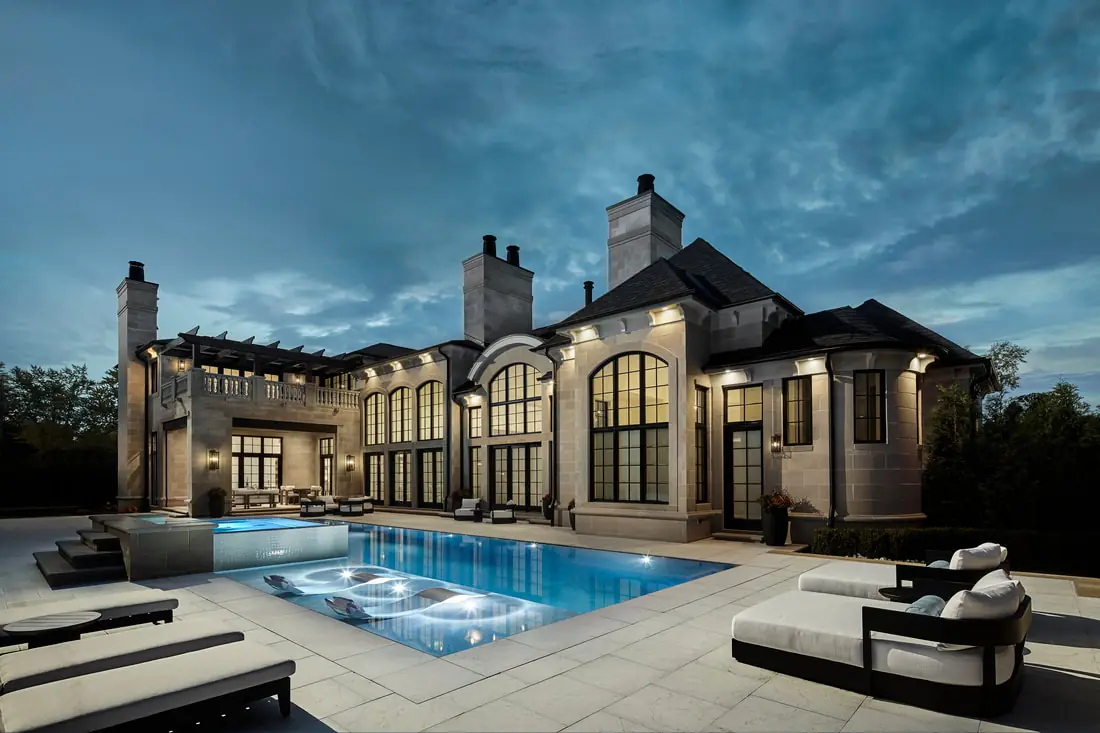
Residential architectural development across the United States undergoes continuous structural transformation driven by shifting wealth distribution, evolving lifestyle priorities, and regional climate pressures. Furthermore, property owners, high-end developers, and elite architectural designers constantly reevaluate how premier building envelopes and interior spaces interface with local environments. Consequently, capital improvement has expanded from a routine renovation task into a complex, highly specialized discipline dictating structural longevity, environmental wellness, and spatial prestige.
Evaluating this nationwide shift requires looking past surface-level aesthetic trends to examine building physics, load distribution, and material science. Modern high-net-worth properties face extreme weather volatility, strict municipal carbon reduction codes, and rising structural maintenance overheads. Therefore, selecting and implementing luxury home upgrades usa demands an exhaustive understanding of how custom material engineering, automated building technology, and structural integration perform under rigorous environmental stressors.
This analysis provides an analytical framework for navigating high-end American residential design. By examining historical context, engineering mental models, structural variations, economic dynamics, and risk management strategies, this guide establishes a definitive reference for high-performance estate optimization.
Understanding “Luxury Home Upgrades USA”
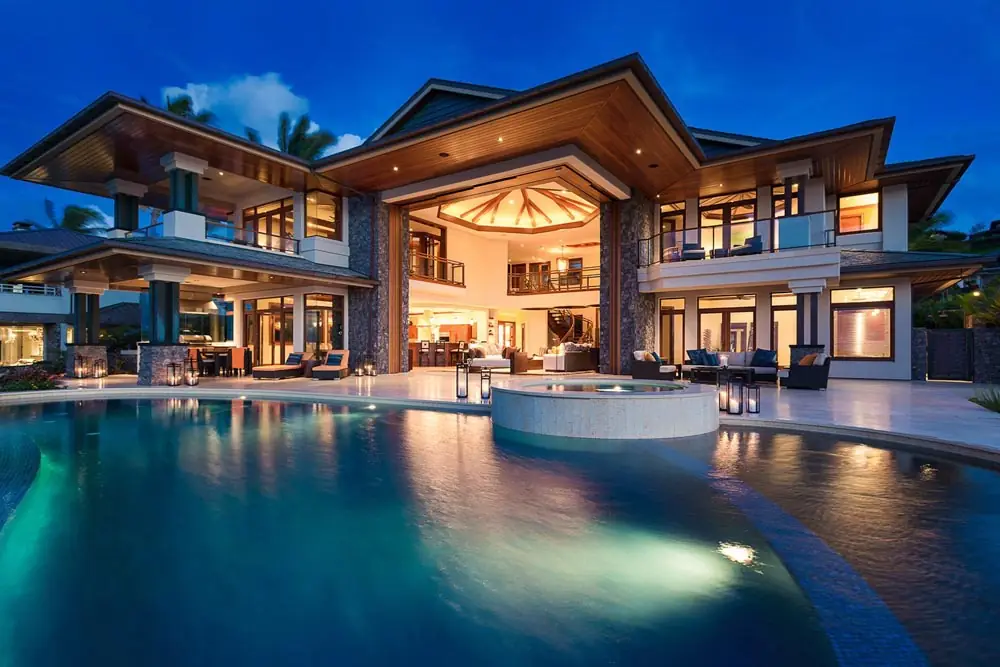
The practice of evaluating luxury home upgrades usa involves navigating a complex intersection of building science, regional climate adaptation, and elite architectural engineering standards. A pervasive misconception among property owners is that premium renovation features are universal commodities where high material costs or well-known brand names automatically guarantee structural durability and timeless aesthetic value across all geographies. In reality, a heavy imported marble slab flooring system or automated glass wall assembly optimized for a mild coastal climate can induce severe thermal loads and structural distortion if improperly specified for an extreme continental winter or high-humidity coastal zone.
Oversimplification risks abound when designers focus exclusively on visual opulence or brand prestige while ignoring structural rough opening compatibility, sub-surface waterproofing, and thermal bridging mechanics. For instance, pairing heavy custom millwork and stone finishes with unreinforced structural framing without assessing load capacity leads directly to frame deflection and material failure. Furthermore, treating high-end renovation as an isolated visual choice obscures the critical importance of continuous water-resistive barriers, integrated HVAC environmental controls, and low-voltage electrical distribution planning.
A comprehensive evaluation requires analyzing luxury home upgrades usa through an integrated lifecycle lens. Excellence encompasses pre-installation structural engineering, precise material matching, specialized rigging, multi-stage framing integration, and long-term maintenance governance. When any single technical variable is overlooked, the entire estate compromises its performance, resulting in building envelope failure, indoor air quality degradation, and asset depreciation.
Deep Contextual Background
Historically, American luxury residential construction relied on imported European craftsmanship, heavy masonry, and regional timber framing, where opulence was measured by hand-carved details and expansive room counts. Estates built during the Gilded Age prioritized ostentatious scale, while mid-century modern movements introduced open floor plans, steel post-and-beam construction, and expansive glass panels that redefined high-end domestic transparency.
The late twentieth and early twenty-first centuries transformed the American high-end housing market dramatically following the rise of smart home automation, wellness-focused architecture, and stringent energy efficiency mandates. Rising environmental awareness and complex engineering capabilities catalyzed the introduction of geothermal heating, whole-house automated lighting control, and advanced acoustic isolation assemblies. Simultaneously, municipal building codes began incorporating mandatory carbon offset metrics, forcing luxury builders to innovate rapidly. Subsequent decades introduced biophilic design principles, commercial-grade residential security systems, and high-performance building envelopes, shifting the market away from purely ornamental finishes toward highly engineered sanctuary environments.
In contemporary American real estate, the regulatory and environmental context has evolved even further. Modern energy codes, stringent wildfire-defense hardening regulations, and high-velocity hurricane-impact requirements dictate specific rules. Consequently, property owners can no longer rely on traditional architectural rules of thumb. Instead, successful estate modernization requires advanced structural engineering coordination, secure digital network infrastructure, and certified installation techniques.
Conceptual Frameworks and Mental Models
Navigating the execution of complex luxury renovation projects requires specific mental models that bridge building physics with elite project governance.
The Thermal-Structural Equilibrium Matrix
This framework dictates that every premium material utilized in a high-end estate exhibits distinct thermal expansion and conductivity coefficients. When interior climate controls and exterior weather fluctuate drastically across diurnal cycles, framing substrates and luxury surface finishes expand at varying rates. This model weighs local climate extremes against material movement tolerances, preventing tile cracking, wood warping, and premature seal degradation over seasonal shifts.
The Multi-Barrier Wellness and Envelope Continuity Model
Luxury home features do not function in isolation; rather, they represent critical nodes within a continuous building performance network. This mental model establishes that high-end amenities—such as indoor wellness spas, commercial-grade wine cellars, or automated architectural glazing—must coordinate seamlessly with whole-house air filtration, vapor control layers, and structural load paths. Failure at any single transition point compromises the moisture and environmental management strategy of the estate.
The Lifecycle Capital Amortization Paradigm
Evaluating the true value of an elite residential upgrade requires looking beyond immediate out-of-pocket material expenses. This model calculates the net present value of energy efficiency, structural longevity, and resale retention against initial capital outlays, acknowledging that bespoke customizations require extended maintenance horizons but yield superior asset preservation.
Key Categories or Variations in Premium Renovation Models
Modern luxury estate enhancements across the American residential market vary according to functional specialization, technological integration, and material composition. Each category presents distinct operational trade-offs and environmental suitability profiles.
-
Commercial-Grade Wellness and Cryotherapy Spas: Dedicated indoor wellness zones featuring saunas, cold plunges, hyperbaric chambers, and advanced humidity-controlled ventilation systems. Delivers unprecedented health and relaxation benefits, but demands complex sub-slab drainage and dedicated mechanical dehumidification equipment.
-
Architectural Automated Glazing and Motorized Walls: Large-format structural glass panels that retract into wall pockets via concealed electromechanical drives. Maximizes indoor-outdoor spatial flow, though it requires rigorous structural steel headers and complex sill waterproofing.
-
Integrated Smart Estate Infrastructure: Centralized low-voltage digital networks controlling lighting, automated shading, climate zones, and biometric security. Provides seamless operational convenience, but requires robust cybersecurity protocols and redundant battery backup power systems.
-
Subterranean Climate-Controlled Wine Vaults: Specialized underground storage rooms featuring custom millwork, passive thermal mass insulation, and precise commercial refrigeration units. Preserves rare collections under optimal aging conditions, but introduces severe risk of moisture condensation if vapor barriers fail.
-
Bespoke Chef-Grade Professional Kitchens: High-capacity culinary spaces equipped with induction cooktops, integrated refrigeration columns, commercial ventilation hoods, and slab stone surfaces. Facilitates professional-level culinary production, but requires upgraded electrical service capacity and heavy structural floor reinforcement.
-
Resilient Off-Grid Power and Geothermal Systems: Comprehensive renewable energy arrays paired with commercial-grade battery storage and closed-loop geothermal HVAC units. Ensures uninterrupted estate operation during grid failures, but involves significant upfront capital costs and complex subterranean site disturbance.
| Upgrade Category | Primary Core Focus | Technical Complexity | Maintenance Demand | Primary Operational Risk |
| Wellness & Spa Zones | Hydrotherapy, Air Quality | High | High | Moisture damage and mold growth |
| Automated Glass Walls | Spatial Flow, Transparency | Very High | Moderate | Mechanical track wear and seal failure |
| Smart Estate Networks | Automation, Security | Moderate to High | Ongoing | Network obsolescence and cyber vulnerability |
| Subterranean Wine Vaults | Climate Control, Storage | High | Moderate | Condensation and refrigeration breakdown |
| Professional Kitchens | Culinary Capacity | Moderate | Low | High electrical and ventilation loads |
| Off-Grid Power Systems | Energy Independence | High | Moderate | Battery degradation and inverter faults |
Realistic Decision Logic
Selecting the appropriate luxury upgrade requires a rigorous assessment of regional climate zone requirements, architectural style constraints, and estate structural load capacities. If, for example, a high-end property sits within a high-humidity coastal environment in South Florida, specifying unsealed subterranean wine vaults or poorly ventilated wellness spas invites catastrophic mold proliferation and structural decay. Instead, dehumidification-coupled environmental systems must be prioritized. Conversely, a mountain estate in Colorado demands an emphasis on high-performance thermal envelopes, backup geothermal heating, and snow-melt driveway integration.
Detailed Real-World Scenarios
Analyzing practical execution environments illuminates how structural constraints and climate goals interact across diverse American luxury residential markets.
A : Historic Brownstone Renovation in Boston, Massachusetts
-
Constraints: Masonry load-bearing walls, strict historic preservation guidelines, urban spatial limitations.
-
Decision Points: The project team specifies custom multi-zone radiant floor heating and concealed mini-duct HVAC routing to preserve historic plaster moldings.
-
Failure Modes: Contractors drill core utility penetrations through structural brick wythes without installing proper steel lintels to redistribute weight.
-
Second-Order Effects: Structural settling causes severe cracking in historic interior masonry finishes, requiring expensive stabilization and historical restoration oversight.
B : Coastal Contemporary Compound in Malibu, California
-
Constraints: Aggressive salt-spray corrosion, high seismic activity, strict wildfire defensible space rules.
-
Decision Points: The architect selects marine-grade stainless steel hardware, fire-resistant exterior timber claddings, and automated exterior fire sprinkler curtains.
-
Failure Modes: Contractors fail to apply anti-corrosion barrier coatings between dissimilar metals during structural steel cantilever assembly.
-
Second-Order Effects: Galvanic corrosion degrades structural anchor connections within four years, compromising structural integrity under seismic loads.
C : Mountain Estate in Aspen, Colorado
-
Constraints: Extreme snow loads, sub-zero winter temperatures, remote geographic logistics.
-
Decision Points: The property owner invests in triple-pane structural glass, automated roof de-icing cables, and an enclosed backup propane generator facility.
-
Failure Modes: Plumbers run unprotected domestic water supply lines through uninsulated exterior wall cavities adjacent to architectural glass pockets.
-
Second-Order Effects: A severe winter freeze causes pipe rupture, flooding custom walnut millwork and requiring extensive gut-remediation of the primary suite.
Planning, Cost, and Resource Dynamics
Establishing economic control over comprehensive luxury estate transformations requires analyzing a complex matrix of direct and indirect financial commitments.
Direct costs encompass rare material procurement, custom millwork fabrication, specialized engineering fees, and premium artisan labor wages. Meanwhile, indirect costs represent the financial friction of project management coordination, temporary relocation expenses during construction, and builder’s risk insurance premiums for high-value properties.
Opportunity costs manifest as the time penalty of coordinating long-lead custom material fabrication schedules. Rushing installation preparations to meet arbitrary social or seasonal deadlines routinely invites catastrophic execution errors that consume multiple times the initial project contingency reserve.
| Expense Category | Description / Typical Elements | Financial Volatility | Optimization Potential |
| Bespoke Materials & Finishes | Rare stone, custom millwork, smart tech | High (Global supply dependent) | Low (Mandatory aesthetic specs) |
| Specialized Artisan Labor | Master craftspeople, systems integrators | Moderate (Regional talent rates) | Moderate (Streamlined scheduling) |
| Structural & MEP Engineering | Seismic, thermal, and HVAC planning | Low (Fixed professional fees) | Maximum (Prevents system failure) |
| Contingency Reserves | Hidden conditions, finish modifications | High | Maximum (Proactive investigative surveys) |
Tools, Strategies, and Support Systems
Executing flawless luxury residential renovations requires an advanced suite of specialized physical equipment, digital coordination platforms, and administrative support systems.
-
High-Precision Laser Scanners and Point Cloud Modeling: Digital documentation tools that capture millimeter-exact spatial dimensions of complex existing structures before custom prefabrication.
-
Enterprise Building Information Modeling (BIM): Advanced coordination software that resolves clash detections between complex MEP, low-voltage, and structural framing elements.
-
Enterprise-Grade Network Management Tools: Dedicated digital diagnostic systems used to configure and monitor complex smart home automation protocols.
-
Hydraulic Lifting Equipment and Specialized Glazing Cranes: Essential machinery designed to maneuver oversized architectural glass and stone slabs safely without site damage.
-
Infrared Thermography and Moisture Meters: Diagnostic devices used to verify building envelope airtightness and detect hidden sub-surface moisture pockets.
-
Comprehensive Owner-Side Project Management Agreements: Legal frameworks that protect owner interests, establish open-book accounting, and enforce quality control benchmarks.
Despite their utility, limits exist within these support systems. For example, digital point cloud models can fail to reveal internal hidden structural flaws behind historic plaster walls. Therefore, administrative discipline remains entirely dependent on experienced human oversight during physical investigative openings.
Risk Landscape and Failure Modes
Failing to secure disciplined, high-caliber artisan labor and rigorous engineering during luxury home upgrades triggers a compounding cascade of physical and financial degradation across the entire estate.
The primary operational risk is moisture infiltration and subsequent structural rot within sealed architectural assemblies. When custom luxury features—such as flush interior thresholds or integrated indoor planters—lack proper secondary drainage pans and waterproof flashings, water penetrates the building envelope, remaining hidden behind expensive finishes until structural framing fails.
Furthermore, compounding risks emerge when complex smart home automation systems lack cybersecurity hardening or redundant power supplies, leaving the estate vulnerable to total operational shutdown during regional utility grid failures.
Governance, Maintenance, and Long-Term Adaptation
Maintaining the performance efficiency, aesthetic elegance, and warranty validity of modernized luxury estates requires ongoing governance and adherence to rigorous industry standards.
Governance relies on standards established by organizations such as the American Institute of Architects and custom building association guidelines. Contracts must explicitly define long-term warranty obligations, multi-tier subcontractor accountability, and post-completion service response windows.
Routine maintenance cycles should involve quarterly inspections of automated mechanical systems, water filtration units, roof drainage channels, and security software updates. Property managers must clear concealed HVAC condensation lines and test backup generator systems regularly to prevent unexpected mechanical failures.
Long-Term Estate Governance Checklist
-
Quarterly Mechanical and HVAC Audit: Inspect geo-thermal loops, commercial dehumidifiers, and air purification filters for optimal performance.
-
Smart System Security and Firmware Review: Update encryption protocols and network access credentials across all integrated automation controllers annually.
-
Envelope and Sealant Evaluation: Inspect exterior caulking, stone sealants, and motorized door weatherstripping semi-annually for degradation.
-
Emergency System Testing: Conduct monthly physical load tests on backup generators, sump pumps, and automated fire suppression valves.
Measurement, Tracking, and Evaluation
Evaluating the long-term success of luxury residential upgrades requires balancing quantitative engineering metrics against qualitative aesthetic and environmental comfort signals.
Leading indicators include zero structural deflection variance logs, verified energy modeling reports, and comprehensive submittal approvals. Lagging indicators encompass seamless mechanical operation, complete absence of warranty call-backs, and sustained asset valuation retention.
Documentation Framework Examples
-
Existing Conditions As-Built Verification Log: A baseline digital register recording structural framing tolerances, MEP routing, and material specifications prior to renovation.
-
Specialized Mechanical Commissioning Report: A formal engineering document certifying that all high-end HVAC, automation, and wellness systems operate at peak efficiency.
-
Sub-Surface Waterproofing Certificate: A signed verification form confirming continuous membrane and drainage integration in high-risk wet areas.
-
Comprehensive Estate Operations Manual: A centralized digital repository containing manufacturer warranties, maintenance schedules, and system schematics.
Common Misconceptions and Oversimplifications
-
Misconception 1: Purchasing the most expensive imported luxury finishes guarantees lifelong durability without specialized maintenance.
-
Correction: Rare natural stones, exotic woods, and delicate metals require meticulous, specialized maintenance regimens to prevent staining, scratching, and structural degradation.
-
-
Misconception 2: Smart home automation systems are plug-and-play and operate seamlessly without dedicated network infrastructure.
-
Correction: Enterprise-grade luxury automation requires robust hardwired network backbones, dedicated server racks, and professional ongoing IT management.
-
-
Misconception 3: Installing large glass walls in a luxury home has no impact on existing structural load paths.
-
Correction: Removing load-bearing exterior walls requires heavy structural steel moment frames and engineered headers to prevent catastrophic framing collapse.
-
-
Misconception 4: Manufacturer product warranties cover labor costs and consequential water damage resulting from component failure.
-
Correction: Product warranties typically cover material replacement only; labor expenses and incidental damage remediation are governed by contractor service agreements.
-
-
Misconception 5: High-end wellness spas and indoor pools do not require specialized mechanical ventilation.
-
Correction: Indoor water features generate massive latent humidity loads that demand dedicated commercial-grade dehumidification systems to prevent severe mold growth.
-
-
Misconception 6: On-site field modifications for custom millwork and stone can be managed casually during installation.
-
Correction: Because luxury architectural elements are manufactured to exact tolerances, field modifications are extremely difficult and risk ruining expensive custom assemblies.
-
Ethical, Practical, and Contextual Considerations
The responsibility of executing major luxury residential upgrades extends far beyond commercial contract fulfillment; it touches upon architectural heritage preservation, environmental resource stewardship, and community context. High-end housing stock represents massive capital investments and critical architectural resources. Careless renovation practices result in premature material waste, severe structural damage, and irreversible destruction of historic or aesthetic assets.
Practically speaking, ensuring uncompromising engineering and installation standards protects occupants from structural hazards, indoor air quality deficiencies, and life-safety failures. Industry professionals hold an ethical obligation to maintain rigorous technical and financial transparency, honoring the architectural integrity and structural safety of every estate they modify.
Conclusion
Securing structural longevity, environmental efficiency, and long-term asset value across American luxury properties requires absolute mastery of luxury home upgrades usa mechanics. By prioritizing vetted artisan credentials, rigorous structural engineering, integrated environmental systems, and comprehensive maintenance governance over surface-level aesthetic trends, property owners can identify true execution excellence. Navigating the high-end residential renovation market with this rigorous analytical mindset ensures that every custom estate upgrade delivers peak architectural performance, structural safety, and lasting aesthetic brilliance over its entire operational lifecycle.