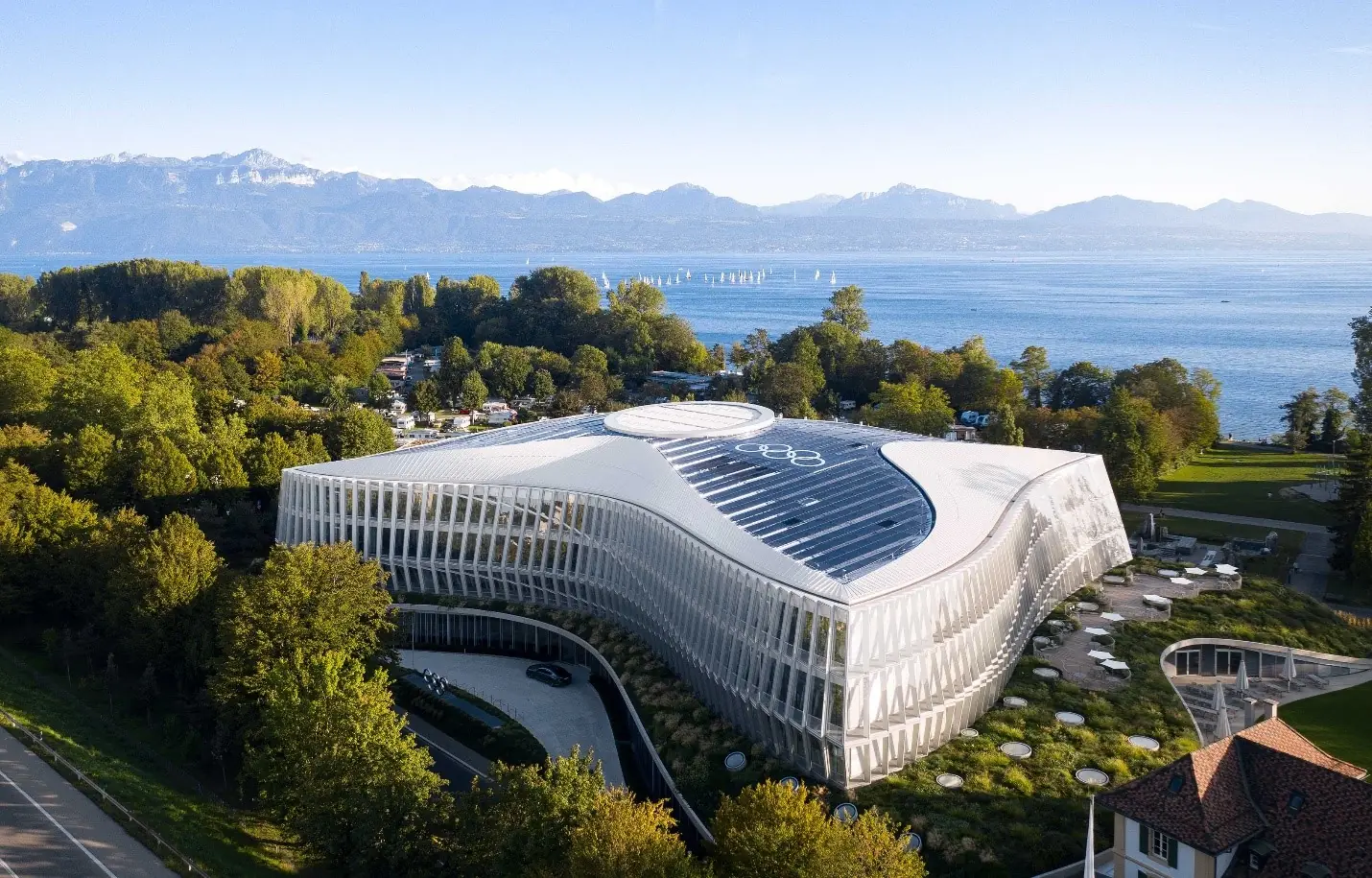
The architectural landscape across the United States has changed profoundly. Today, it moves away from superficial eco-labeling toward data-backed ecological performance frameworks. Commercial real estate developers, municipal planners, and institutional portfolio managers no longer view environmental compliance as a mere marketing exercise. Instead, they treat sustainable construction as an intricate science governed by building physics, carbon accounting, and asset valuation models. Consequently, the entire built environment must reconcile intense energy demands with the urgent need for absolute decarbonization.
Evaluating this nationwide movement requires looking past glossy brochures and generalized claims. Analysts must evaluate operational energy use intensity, lifecycle material sourcing, indoor air biochemistry, and regional grid interactions. Furthermore, modern American buildings face extreme weather volatility, strict municipal ordinances, and corporate environmental mandates. Therefore, navigating the taxonomy of sustainable benchmarks demands an understanding of how holistic rating systems, energy programs, and regenerative frameworks interact under real-world constraints.
This analysis provides an authoritative framework for understanding sustainability certification across the American continent. By examining historical trajectories, structural mental models, variation profiles, economic realities, and long-term risk management protocols, this guide establishes a definitive reference for high-performance building engineering.
Understanding “Best Green Building Standards USA”
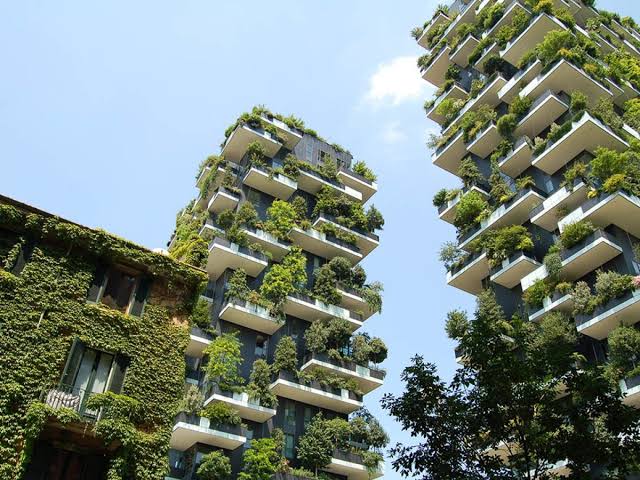
The practice of evaluating the best green building standards usa involves navigating a complex matrix of voluntary rating programs, mandatory energy codes, and disparate climate requirements. A common misconception among development teams is that a single universal standard reigns supreme for every asset class. In reality, a framework optimized for a suburban residential complex fails to address the unique density and envelope physics of a commercial high-rise. Furthermore, assuming that acquiring a high-level certification guarantees net-zero status ignores the critical divergence between predicted design-phase efficiency and actual post-occupancy performance.
Oversimplification risks multiply when stakeholders chase certification points solely for marketing optics while overlooking foundational building science principles. For instance, purchasing renewable energy credits to inflate a rating score without first optimizing the thermal envelope results in an inefficient asset. Furthermore, treating green standards as static compliance checklists obscures the reality that building performance degrades over time if continuous commissioning and monitoring are absent.
A comprehensive evaluation requires analyzing elite green building benchmarks through an integrated environmental lifecycle lens. Excellence encompasses pre-construction energy modeling, local material sourcing, strict indoor air quality testing, and post-occupancy verification. When any technical variable is overlooked, the facility compromises its environmental integrity, resulting in utility penalties, tenant discomfort, and asset devaluation.
Deep Contextual Background
Historically, American architecture relied on vernacular traditions, natural ventilation, and local material availability before the widespread adoption of cheap fossil fuels. The post-World War II economic expansion introduced cheap energy, sealed glass facades, and centralized HVAC systems, which temporarily decoupled building form from local climate responsiveness. This era prioritized brute-force mechanical conditioning over passive thermodynamic design, leading to massive spikes in national commercial energy consumption.
The late twentieth century catalyzed a dramatic shift across the American construction industry. The 1970s energy crises, rising environmental awareness, and the establishment of the U.S. Green Building Council in 1993 laid the groundwork for standardized ecological measurement. Later, the introduction of the Leadership in Energy and Environmental Design rating system transformed sustainable building into an institutional market standard. Simultaneously, the federal government began mandating high-performance green building principles across federal real estate portfolios through agencies like the General Services Administration.
In contemporary American real estate, the regulatory context demands unprecedented rigor. Modern municipal jurisdictions have enacted aggressive building performance standards and carbon emissions caps that carry severe financial penalties for non-compliance. Consequently, building owners can no longer treat green certifications as optional trophies. Instead, achieving verified compliance with top-tier environmental standards represents an essential mechanism for risk mitigation and asset preservation.
Conceptual Frameworks and Mental Models
Navigating the execution and evaluation of green building standards requires specific mental models that bridge environmental science with macro-level real estate economics.
The Building Metabolism and Circularity Model
This model views a facility not as a static consumer of resources, but as an active metabolic organism that processes energy, water, and materials. When evaluating sustainable standards, this framework measures whether a building operates linearly—extracting resources and generating waste—or circularly, prioritizing closed-loop water reuse and embodied carbon sequestration.
The Operational Versus Embodied Carbon Matrix
High-performance development balances two distinct carbon phases: operational carbon emitted during day-to-day energy consumption versus upfront embodied carbon generated during material manufacturing. This model establishes that an ultra-efficient building with massive upfront material emissions takes decades to offset its initial carbon footprint. Consequently, elite standards must account for whole-building lifecycle emissions rather than operational efficiency alone.
The Passive Core Versus Active Tech Hierarchy
Elite green architecture prioritizes passive envelope optimization before deploying complex active mechanical technologies. This model ensures that the building shell manages baseline environmental loads quietly, reducing reliance on mechanical systems and safeguarding tenant comfort during grid failures.
Key Categories or Variations in Sustainable Certifications
Green building standards across the United States vary according to operational focus, asset type, and performance rigor. Each category presents distinct compliance pathways and market suitability profiles.
-
Holistic Multi-Attribute Frameworks: Comprehensive systems evaluating energy, water, materials, site sustainability, and indoor environmental quality across diverse asset types. These frameworks deliver broad market recognition, but involve extensive administrative documentation.
-
Performance-Based Energy Benchmarks: Single-attribute programs focusing strictly on operational energy efficiency and greenhouse gas intensity relative to national peer stock. They provide clear empirical metrics, but exclude broader ecological considerations like material toxicity.
-
Human-Centric Wellness Standards: Protocols dedicated entirely to occupant health, mental well-being, circadian lighting, and indoor air biochemistry. These protocols elevate tenant productivity, but require rigorous post-occupancy biological testing.
-
Regenerative Living Building Standards: Highly stringent frameworks requiring net-positive energy, net-positive water, and complete avoidance of toxic chemicals over a 12-month operational audit. They achieve ultimate ecological restoration, but demand extreme capital investment.
-
Passive Ultra-Low Energy Standards: Rigorous physics-based protocols focused on continuous insulation, airtight construction, and heat-recovery ventilation to slash space conditioning loads. They deliver unmatched thermal comfort, but require absolute construction precision.
-
Residential Green Standards: ANSI-approved rating systems tailored specifically for single-family homes, multi-family apartments, and residential land developments. They provide practical green criteria, but lack commercial scale applicability.
| Certification Standard | Primary Market Focus | Technical Complexity | Administrative Burden | Primary Operational Risk |
| LEED (BD+C / O+M) | Commercial & Institutional | Moderate-High | High | Documentation drift & point chasing |
| ENERGY STAR | Commercial Real Estate & Multifamily | Low-Moderate | Low | Data verification errors in utility tracking |
| WELL Building Standard | Commercial Interiors & Offices | High | High | Ongoing maintenance of air/water purification systems |
| Living Building Challenge | Regenerative Commercial & Residential | Extreme | Extreme | Strict Red List material sourcing failures |
| Passive House (PHIUS) | Residential & Multi-family Envelopes | High | Moderate | Airtightness envelope breach during construction |
| NGBS Green | Residential Homes & Apartments | Moderate | Moderate | Verifier scheduling and local code conflicts |
Realistic Decision Logic
Selecting the appropriate green building standard requires a rigorous assessment of asset class, geographic location, and capital expenditure constraints. If a developer constructs a commercial office tower in a major metropolitan market, securing a high-level LEED certification coupled with ENERGY STAR and WELL ratings is practically mandatory to attract institutional tenants. Conversely, a multi-family residential project in a cold northern climate benefits immensely from pursuing Passive House certification to eliminate heating loads, paired with NGBS Green validation.
Detailed Real-World Scenarios
Analyzing practical execution environments illuminates how structural constraints and certification goals interact across diverse American real estate sectors.
A : High-Rise Commercial Office Tower in Chicago, Illinois
-
Constraints: Complex urban microclimate, severe winter heating loads, strict municipal energy disclosure ordinances, and high tenant turnover.
-
Decision Points: The development team pursues LEED Core and Shell certification alongside ENERGY STAR and WELL Building verification, integrating high-performance triple-glazed curtain walls.
-
Failure Modes: During post-occupancy commissioning, tenant fit-outs introduce unverified interior partition walls that block airflow from perimeter induction units, degrading indoor air quality scores.
-
Second-Order Effects: Indoor environmental quality metrics drop below WELL certification thresholds, requiring unexpected mechanical zone balancing and tenant lease guideline revisions.
B : Net-Zero Educational Facility in Boulder, Colorado
-
Constraints: High altitude, intense solar radiation, strict zero-carbon municipal mandates, and tight public funding caps.
-
Decision Points: Project architects commit to Living Building Challenge petaled certification, deploying structural mass timber, on-site photovoltaic microgrids, and rainwater catchment systems.
-
Failure Modes: Extended regional wildfire smoke events saturate exterior air filtration banks prematurely, threatening the rigorous indoor air quality standards required for the 12-month audit.
-
Second-Order Effects: Facility operators must execute emergency media replacements mid-audit cycle, straining operational maintenance budgets and delaying final verification.
C : Multi-Family Residential Complex in Austin, Texas
-
Constraints: Subtropical climate, high cooling energy demands, rapid urban growth, and cost-conscious buyers.
-
Decision Points: Developers select the NGBS Green rating system, focusing on high-efficiency envelope insulation, reflective roofing materials, and water-conserving native landscaping.
-
Failure Modes: Subcontractors puncture the continuous exterior air barrier during balcony railing installations, compromising the building’s blower-door test results.
-
Second-Order Effects: The building fails initial air leakage verification, requiring invasive exploratory drywall removal to patch hidden envelope breaches before certification can proceed.
Planning, Cost, and Resource Dynamics
Establishing economic control over the pursuit of advanced green building standards requires analyzing a complex matrix of direct and indirect financial commitments.
Direct costs encompass third-party registration and certification review fees, specialized environmental consultant compensation, energy modeling software licensing, and premium green building materials. Meanwhile, indirect costs represent the financial friction of extended construction schedules, contractor training sessions, and multi-trade coordination meetings required to achieve compliance.
Opportunity costs manifest as the time penalty of managing complex documentation portals or navigating municipal sustainability incentive reviews. Rushing documentation to meet arbitrary marketing deadlines routinely invites administrative rejections and data verification errors that consume financial contingencies.
| Expense Category | Description / Typical Elements | Financial Volatility | Optimization Potential |
| Certification & Registration | Registration and verification review fees | Fixed fee structures | Low (Mandatory baseline cost) |
| Specialized Consulting | Energy modeling & sustainability engineers | Moderate (Scope and asset complexity dependent) | Maximum (Early-stage integrated design) |
| Material Premium | Low-VOC finishes, certified timber, high-performance glass | High (Supply chain and commodity fluctuations) | Moderate (Local material sourcing) |
| Commissioning & Testing | Blower-door tests, air quality assays, thermal scans | Low-Moderate | Maximum (Targeted testing protocols) |
Tools, Strategies, and Support Systems
Executing flawless green building certification requires an advanced suite of digital modeling platforms, diagnostic hardware, and administrative support systems.
-
Whole-Building Energy Simulation Software: Advanced computational tools used to model hourly thermal performance and carbon emissions accurately.
-
Life-Cycle Assessment Software: Analytical platforms utilized to quantify embodied carbon and environmental impacts across material lifecycles.
-
Blower Door and Envelope Testing Rigs: Diagnostic hardware used to measure air leakage rates and verify compliance with Passive House standards.
-
Enterprise Utility Data Portals: Automated portfolio tracking tools used to monitor real-time energy and water consumption metrics.
-
Indoor Air Quality Monitors: Continuous IoT sensor arrays deployed to track particulate matter, volatile organic compounds, and carbon dioxide levels.
-
Third-Party Verification Networks: Accredited regional verifiers and commissioning agents who conduct mandatory on-site inspections and data audits.
Despite their utility, limits exist within these support systems. For example, predictive energy models frequently rely on standard weather data files that fail to account for anomalous regional microclimate heatwaves.
Risk Landscape and Failure Modes
Failing to secure integrated design coordination and rigorous post-occupancy verification triggers a compounding cascade of performance degradation and financial liability across certified assets.
The primary operational risk is performance drift, where a building achieves a high design-phase certification rating but fails to maintain operational efficiency during active occupancy. When building operators override automated energy management schedules or tenants introduce high-plug-load equipment, actual energy use intensity spikes, rendering the certified asset inefficient.
Furthermore, compounding risks emerge when documentation drift occurs. If project teams fail to track material substitutions made during value engineering phases, non-compliant products may inadvertently enter the building, invalidating material health certifications.
Governance, Maintenance, and Long-Term Adaptation
Maintaining the performance efficiency, environmental integrity, and certification validity of high-performance buildings requires ongoing governance and adherence to strict industry standards.
Governance relies on standards established by organizations such as ASHRAE, the International Code Council, and the administrative bodies governing each rating system. Contracts must explicitly define multi-year recertification milestones, ongoing data reporting obligations, and continuous commissioning responsibilities.
Routine operational reviews should involve annual energy benchmarking audits, quarterly indoor air quality testing, and periodic sensor recalibration. Whenever local municipal carbon caps tighten or regional climate patterns shift, professional engineering reviews ensure that the facility adapts successfully.
Long-Term Green Building Governance Checklist
-
Annual Energy Portfolio Benchmarking: Update utility tracking data in national portfolio databases to verify ongoing energy efficiency and carbon reduction compliance.
-
Quarterly Indoor Air Quality Audit: Inspect air filtration banks, verify ventilation rates, and test particulate levels to maintain wellness standards.
-
Continuous Commissioning Review: Audit building automation system schedules, damper operations, and sensor calibrations semi-annually.
-
Recertification Milestone Tracking: Monitor certification expiration dates proactively to maintain market standing.
Measurement, Tracking, and Evaluation
Evaluating the long-term success of green building standards requires balancing quantitative empirical telemetry against qualitative occupant feedback signals.
Leading indicators include predictive energy model outputs, material health documentation audits, and design-stage commissioning plan sign-offs. Lagging indicators encompass real-time utility metering telemetry, annual carbon emission reports, and tenant satisfaction surveys regarding indoor environmental comfort.
Documentation Framework Examples
-
Master Sustainability Compliance Matrix: A centralized tracking register mapping every credit requirement to responsible project team members and verification documents.
-
Embodied Carbon and Material Life-Cycle Dossier: A certified audit record containing environmental product declarations and material safety data sheets.
-
Continuous Commissioning and Telemetry Log: An automated data archive recording real-time energy use intensity, indoor air quality, and water consumption metrics.
-
Post-Occupancy Performance Evaluation Report: A structured annual review detailing actual operational efficiency against design-phase performance projections.
Common Misconceptions and Oversimplifications
-
Misconception 1: Achieving a green building certification guarantees that a facility will operate at net-zero carbon emissions indefinitely.
-
Correction: Certifications validate design intent at a specific point in time; ongoing operational management is required to prevent performance drift.
-
-
Misconception 2: All green building standards are functionally identical and share the same evaluation criteria.
-
Correction: Standards vary widely, with some focusing strictly on energy efficiency, others on human health, and others on holistic ecological regeneration.
-
-
Misconception 3: Pursuing green certification adds excessive capital costs that cannot be recovered through asset valuation.
-
Correction: Empirical market data demonstrates that certified green buildings command rental premiums, achieve higher occupancy rates, and secure lower capitalization rates.
-
-
Misconception 4: Sustainable construction is only relevant for new commercial skyscrapers rather than existing building retrofits.
-
Correction: Upgrading existing building stock through operations and maintenance rating programs is critical, as existing structures represent the vast majority of national emissions.
-
-
Misconception 5: Purchasing carbon offsets is a valid substitute for direct energy efficiency and material reduction.
-
Correction: Most rigorous green standards cap or restrict offset usage, prioritizing direct on-site emissions reductions and deep envelope efficiency.
-
-
Misconception 6: Green building standards are purely voluntary programs with no connection to municipal legal requirements.
-
Correction: Many major U.S. cities now mandate specific green rating compliance or strict building performance standards under local municipal law.
-
Ethical, Practical, and Contextual Considerations
The responsibility of implementing and maintaining sustainable construction frameworks extends far beyond commercial portfolio positioning or municipal compliance. Furthermore, it touches upon environmental justice, public health equity, and global climate stability. The American built environment represents a massive share of national greenhouse gas emissions and resource consumption. Consequently, unmitigated construction practices exacerbate urban heat islands, degrade local watersheds, and accelerate global ecological instability.
Practically speaking, ensuring rigorous sustainable engineering protects building occupants from toxic indoor air pollutants, energy poverty, and climate-induced utility shocks. Therefore, industry professionals hold an ethical obligation to maintain absolute technical transparency, honoring ecological stewardship, human health, and long-term resource preservation in every structure they design, build, and operate.
Conclusion
Securing structural resilience, environmental efficiency, and long-term asset value across American real estate requires absolute mastery of green building standards and performance verification methodologies. By prioritizing verified operational efficiency, holistic lifecycle analysis, continuous commissioning, and rigorous post-occupancy governance over superficial marketing compliance, project stakeholders achieve true execution excellence. Ultimately, navigating sustainable building frameworks with this rigorous analytical mindset ensures that every facility achieves peak operational performance, environmental responsibility, and enduring market authority over its entire lifecycle.