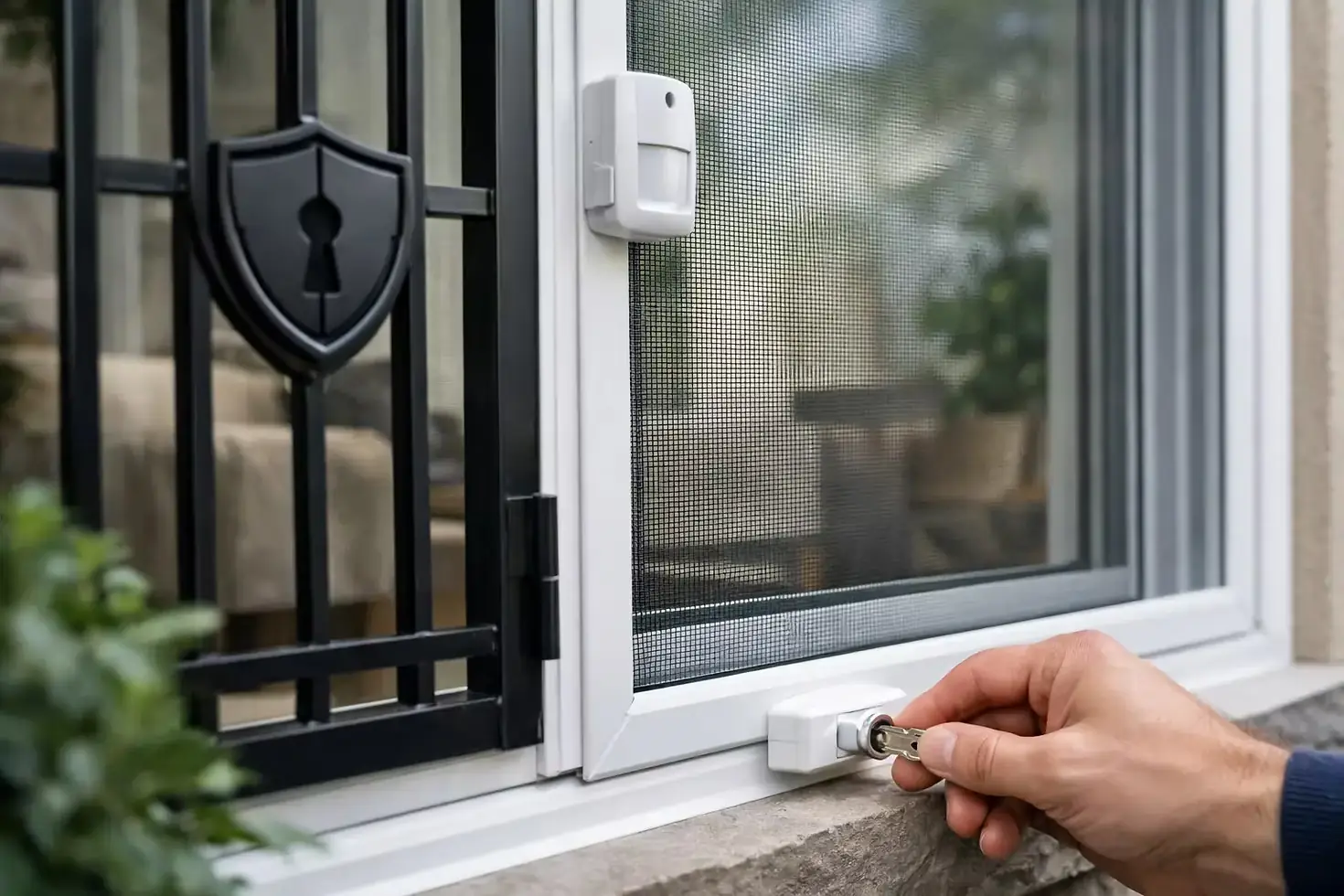
Building vulnerabilities frequently manifest at transparent envelope apertures. Consequently, windows and glazed doors often turn into the primary points of entry for unauthorized intrusion. When architects, security consultants, and residential owners evaluate property defense strategies, the perimeter protection offered by structural glazing defines the line between a secure enclosure and a compromised space. Furthermore, standard window assemblies are designed primarily for thermal and ventilation performance. As a result, they offer minimal resistance against forced entry tools, manual impact, or ballistic threats.
Property owners frequently approach home security by installing heavy-duty deadbolts on solid exterior doors. Meanwhile, they often leave ground-floor windows protected by single-strength glass and basic latch locks. This oversight ignores the structural reality that an intrusion barrier is only as strong as its weakest aperture. Therefore, securing a residential or commercial building envelope requires navigating complex impact ratings, heavy-gauge framing limitations, multi-point locking mechanisms, and structural sub-frame anchoring schedules.
This reference guide establishes an exhaustive analytical framework for evaluating, planning, and executing the best window installation for security. By examining historical fortification developments, impact-load transfer models, failure modes, and long-term maintenance protocols, this analysis provides a definitive technical roadmap. Ultimately, mastering these principles ensures that protective envelopes achieve optimal resistance, structural integrity, and intruder deterrence without compromising interior spatial elegance or emergency egress capabilities.
Understanding best window installation for security
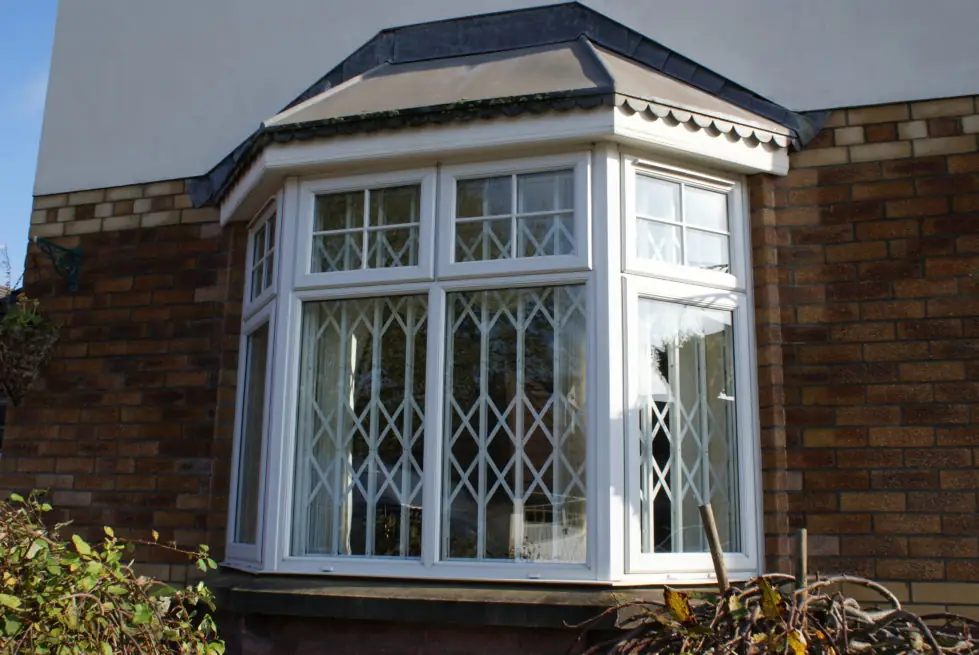
The phrase best window installation for security refers to the comprehensive engineering, material specification, and field execution process designed to prevent forced entry, resist ballistic or blast impacts, secure rough opening perimeters, and withstand coordinated physical attacks on building apertures. Evaluating this specialized technical discipline requires synthesizing structural mechanics, intrusion forensics, material compatibility science, and physical security code compliance.
Misunderstandings in this field typically arise from treating security window upgrades as simple glass replacements using thicker or tempered panes. Furthermore, project stakeholders frequently assume that laminated glass alone guarantees safety. In fact, they often neglect the critical role of heavy-gauge sub-frames, heavy-duty anchoring systems, and multi-point locking hardware. Oversimplification leads to relying on stock residential installation details that fail to prevent frame pry-bar attacks or structural anchor pull-out. Consequently, structures frequently experience rapid forced entry despite having expensive security glass installed.
Achieving true optimization involves addressing four primary performance vectors:
-
Glass Composition and Impact Resistance: Utilizing multi-layer laminated security glass or polycarbonate-composite glazing that resists manual attack tools such as sledgehammers, crowbars, and axes.
-
Frame Rigidity and Anchorage Strength: Engineering heavy-gauge steel, reinforced aluminum, or composite frames secured deep into structural concrete or framing studs using high-shear fasteners.
-
Multi-Point Locking Integration: Distributing locking points across the entire sash perimeter to prevent frame deflection and pry-bar leverage separation.
-
Concealed Fastening and Anti-Tamper Design: Ensuring that installation screws, glazing beads, and anchoring brackets are inaccessible from the exterior side of the envelope.
When these vectors are executed in coordination, the installation process realizes the full functional potential of secure architectural envelopes. Moreover, ignoring any single vector creates systemic vulnerabilities that compromise the protective integrity of the entire structure.
Deep Contextual Background
The evolution of security window engineering reflects broader shifts in physical security threats, architectural design standards, and urban crime prevention research. Throughout much of the twentieth century, residential and commercial window security relied on static physical barriers. For instance, builders often installed decorative wrought-iron burglar bars or exterior rolling steel shutters. While these devices offered high protection against intruders, they presented severe safety hazards during emergency fires. Furthermore, they created prison-like aesthetics that compromised architectural design.
The turning point for integrated envelope security arrived with the development of high-performance laminated polymers, structural polycarbonates, and advanced forced-entry testing standards during the late twentieth century. Law enforcement agencies, architectural hardware manufacturers, and testing laboratories developed rigorous protocols to quantify window resistance against physical assault. These standards shifted the security paradigm from external bars to high-security glass and reinforced framing systems embedded directly into the building envelope.
Today, securing a building perimeter requires sophisticated security glazing specifications, forced-entry testing certifications, and strict adherence to structural anchorage standards. Modern security window systems integrate high-tensile inner touch layers, heavy-duty multi-point locking gears, and tamper-resistant sub-frame attachments. This historical progression ensures that contemporary structures can feature transparent, light-filled facades while maintaining absolute resistance against unauthorized intrusion and physical attack.
Conceptual Frameworks and Mental Models
Analyzing the physical behavior and installation mechanics of secure fenestration requires robust conceptual frameworks that translate complex mechanical principles into actionable evaluation models.
1. The Defense-in-Depth Resistance Matrix
This model conceptualizes security window installation as a series of sequential defensive layers. From the exterior glass surface through the interlayer laminate, the frame extrusion, the multi-point locks, and the structural anchors, each layer must absorb or delay kinetic energy to exhaust the attacker before interior entry is achieved.
2. The Force-Distribution and Pry-Resistance Hierarchy
Intruders typically use leverage tools like crowbars to pry sashes away from frames. This mental model governs how multi-point locking bolts and interlocking aluminum flanges distribute prying loads across the entire perimeter, preventing localized frame failure and joint separation.
3. The Impact-Energy Dissipation Model
When a heavy object strikes security glass, kinetic energy must be absorbed without causing complete brittle fracture. This framework maps how resilient interlayer films stretch and dissipate energy, holding shattered glass fragments together to maintain a protective barrier during prolonged physical assault.
4. The Egress-Versus-Exclusion Balance
Security installations must reconcile two opposing requirements: keeping unauthorized persons out while allowing trapped occupants to escape quickly during a fire emergency. This model optimizes quick-release hardware mechanisms that maintain maximum exterior security while ensuring rapid interior emergency egress.
Key Categories and Methodological Variations
Security window installation encompasses distinct material and structural categories, each presenting unique engineering trade-offs. Evaluating these options requires weighing physical security performance against installation constraints and aesthetic requirements.
| Framing & Glazing System | Forced-Entry Resistance Tier | Ballistic / Blast Protection | Maintenance Demand | Primary Vulnerability |
| Heavy-Gauge Steel Security Framing | Maximum; engineered for high-threat environments | Exceptional; customizable up to high-tier ballistic ratings | Moderate; requires periodic anti-corrosion touch-up | Extremely heavy weight requires robust structural steel or concrete headers |
| Reinforced Thermally Broken Aluminum | High; rigid profiles resistant to pry-bar attack | Moderate; supports medium-threat laminated glazing | Low; durable powder-coated finishes | Vulnerable to galvanic corrosion if fasteners are unisolated |
| Polycarbonate-Clad Laminated Glass | Exceptional; resists sustained manual tool attacks | High; stops heavy impact blows without shattering | Low; requires specialized scratch-resistant cleaning solutions | Higher material cost; heavier sash weight requires reinforced operators |
| Multi-Chambered Vinyl with Steel Cores | Moderate-to-High; effective for standard residential security | Low; intended primarily for forced-entry delay | Low; minimal maintenance required | Steel core placement varies; susceptible to thermal expansion under solar loads |
| Security Window Film Retrofit Systems | Low-to-Moderate; delays smash-and-grab entry attempts | None; glass still shatters but stays adhered to film | Low-to-Moderate; edges require periodic inspection for peeling | Does not reinforce frame anchorage; attacker can push entire glass unit inward |
Selecting the Appropriate Methodology
Choosing between heavy-gauge steel framing and reinforced aluminum depends entirely on threat level assessments and structural load capacities. For instance, a high-threat commercial bank or government facility requiring multi-tiered ballistic and forced-entry protection benefits significantly from heavy-gauge steel security systems anchored directly into structural concrete. Conversely, a high-end residential property seeking robust smash-and-grab deterrence without sacrificing slim sightlines often selects reinforced aluminum frames outfitted with multi-layer polycarbonate laminated glass.
Detailed Real-World Scenarios
Illustrating how security window installations adapt to complex physical realities involves examining diverse operational scenarios.
A : Urban Flagship Retail Store Subject to Civil Unrest
-
Context: A high-end luxury goods storefront located in a major metropolitan commercial district vulnerable to smash-and-grab looting and civil unrest.
-
Constraints: Large plate-glass display windows, tight downtown construction schedules, and strict aesthetic requirements to showcase merchandise clearly.
-
Decision Points: Specifying heavy-duty aluminum framing integrated with structural polycarbonate-laminated security glass and concealed multi-point locking actuators ensures the storefront resists prolonged sledgehammer attacks while preserving transparent merchandising lines.
-
Failure Modes & Second-Order Effects: Using standard storefront framing allows looters to kick out the glass beads and push the entire glazing unit inward intact. Installing screw-retention security glazing stops secures the glass against inward displacement.
B : Executive Suburban Residence Requiring Perimeter Defense
-
Context: A secluded residential estate seeking comprehensive intruder protection for ground-floor bedrooms and living areas without appearing fortified or prison-like.
-
Constraints: Wood-framed structural backup walls, complex custom window shapes, and the requirement for rapid emergency bedroom egress.
-
Decision Points: Utilizing reinforced fiberglass composite frames fitted with multi-point casement locks and laminated security glass, anchored with heavy structural steel clips, provides robust forced-entry delay while maintaining operable emergency egress windows.
-
Failure Modes & Second-Order Effects: Installing fixed security bars blocks emergency fire escape routes, creating a life-safety hazard. Deploying operable casement windows with internal multi-point security locks resolves this conflict.
C : Government Annex Building with Elevated Security Mandates
-
Context: A municipal government administration building requiring strict physical security compliance, forced-entry resistance, and blast mitigation engineering.
-
Constraints: Concrete masonry unit (CMU) wall construction, blast-load performance mandates, and strict compliance with federal security standards.
-
Decision Points: Deploying heavy-gauge steel security window assemblies anchored deep into structural concrete lintels with high-shear expansion bolts ensures the entire rough opening withstands high-pressure blast waves and forced entry.
-
Failure Modes & Second-Order Effects: Inadequate anchoring into hollow CMU blocks causes the entire window frame to tear out of the wall under heavy impact loads. Utilizing structural steel sub-frames distributes impact loads safely across the masonry wall.
Planning, Cost, and Resource Dynamics
Executing sophisticated security window projects requires balancing direct material acquisition outlays with indirect engineering expenses, specialized installation labor, and complex logistics.
Direct vs. Indirect Costs
Direct costs encompass the manufacturing price of heavy-gauge frames, laminated security glass units, and multi-point locking hardware. However, project planners must account for substantial indirect costs to ensure structural compliance:
-
Structural Engineering and Threat Assessment: Engineering analysis required to size frame profiles and anchoring schedules for specific security threat levels.
-
Specialized Installation Labor: Hiring certified installers trained in security hardware calibration, heavy glass rigging, and tamper-resistant fastener installation.
-
Third-Party Forced-Entry Testing and Certification: Conducting compliance verifications against UL 972 or ASTM F3038 physical security standards.
-
Logistics and Heavy-Duty Hoisting: Managing heavy-weight security glass and steel framing components safely during construction staging.
| Installation Scope Tier | Approximate Cost Range (Per Opening, Installed) | Primary Cost Drivers | Security Durability & Threat Profile |
| Standard Window with Security Film Retrofit | Low-to-Intermediate ($400 – $900) | Retrofit security film, edge-retention anchoring systems | Low-to-Moderate; delays smash-and-grab entry by a few minutes |
| Reinforced Aluminum Security Windows | High ($1,800 – $3,500) | Heavy aluminum extrusions, laminated security glass, multi-point locks | High; excellent resistance against manual forced-entry tools |
| Heavy-Gauge Steel Forced-Entry Systems | Premium ($3,500 – $7,000+) | Custom steel fabrication, ballistic/forced-entry glass, heavy anchoring | Exceptional; maximum security against sustained physical assault |
| Custom Ballistic and Blast-Mitigation Systems | Luxury ($7,000 – $15,000+) | Bullet-resistant composite panels, blast frames, specialized engineering | Maximum; comprehensive defense against extreme threats |
Tools, Strategies, and Support Systems
Deploying an elite security window installation plan demands specialized tooling, diagnostic equipment, and structured quality-control protocols.
-
Tamper-Resistant Security Fastener Drivers: Specialized bits and tools required to drive and torque specialized anti-removal screws that cannot be extracted with standard screwdrivers.
-
Laser Plumb and Level Instruments: High-precision optical tools used to verify that security frames maintain exact squareness and square alignment within rough openings.
-
Calibrated Torque Wrenches: Essential tools ensuring that structural installation anchors meet exact manufacturer torque specifications without warping heavy metal frames.
-
Heavy-Duty Vacuum Lifters and Rigging Cranes: Specialized material-handling equipment used to maneuver heavy multi-layer laminated security glass panels safely.
-
Acoustic and Motion Glass-Break Simulators: Diagnostic testing tools used post-installation to verify electronic security sensor integration with new window frames.
-
Pneumatic Foam Guns and Structural Sealant Applicators: Precision tools used to apply high-strength structural silicone sealants around perimeter joints.
-
Oscillating Multi-Tools and Diamond Saws: Precision cutting equipment used during retrofit installations to modify existing structural openings cleanly.
-
Quality Assurance Checklist Documentation: Structured sign-off protocols verifying fastener torque, multi-point lock engagement, and perimeter sealant continuity.
Risk Landscape and Failure Modes
Every security window installation methodology operates within a risk landscape characterized by frame pry attacks, anchor pull-out, glass delamination, and life-safety egress blockages. Understanding these failure modes prevents costly post-installation remediation.
1. Perimeter Frame Pry-Out Failures
When installers fail to anchor frames securely or use inadequate fastening schedules, intruders leverage crowbars between the wall and the window frame, prying the entire assembly out of the rough opening intact.
2. Glazing Bead and Stop Removal
In poorly designed security installations, exterior or interior glazing stops can be unscrewed or popped out with simple hand tools. Consequently, attackers can remove the security glass pane directly from its frame.
3. Compromised Emergency Egress Routes
Over-securing a residential building with fixed security bars or locked-down commercial security windows prevents occupants from escaping during a fire emergency. Therefore, this creates tragic life-safety outcomes if not carefully engineered.
4. Galvanic Corrosion of Structural Anchors
Fastening aluminum security frames directly to carbon steel structural embeds in damp environments triggers galvanic corrosion. Furthermore, this reaction rapidly degrades anchors and compromises the structural holding power of the installation.
Governance, Maintenance, and Long-Term Adaptation
A high-performance security window installation does not conclude when construction crews depart. Long-term structural integrity requires structured governance and routine maintenance frameworks.
-
Post-Installation Security Audit (Month 3): Conducting a comprehensive physical inspection to verify that multi-point locking gears operate smoothly and all security fasteners remain torqued correctly.
-
Annual Multi-Point Hardware Lubrication: Applying approved machine lubricants to sliding gears, casement arms, and locking bolts annually ensures reliable, jam-free operation.
-
Electronic Sensor and Alarm Testing Triggers: Testing integrated glass-break detectors, magnetic contact switches, and security alarm wiring every six months maintains electronic defense readiness.
-
The Layered Maintenance Checklist:
-
Inspecting exterior structural silicone sealant lines annually for cracking, peeling, or adhesion loss.
-
Checking security frame anchoring bolts and masonry connections every two years for signs of loosening or corrosion.
-
Testing emergency egress release mechanisms quarterly to ensure manual release levers function without binding.
-
Cleaning laminated security glass surfaces with non-abrasive, manufacturer-approved solutions to prevent scratching or chemical clouding.
-
Measurement, Tracking, and Evaluation
Validating the success of security window installation strategies relies on balanced matrices of leading and lagging indicators, alongside rigorous quantitative and qualitative evaluations.
Quantitative Metrics
-
Forced-Entry Resistance Time Ratings: Certified laboratory test data confirming that the window assembly withstands manual attack tools for specified durations (e.g., UL 972 or ASTM F3038 standards).
-
Anchor Pull-Out and Shear Load Test Logs: Engineering test data confirming that structural fasteners and masonry anchors exceed ultimate design load requirements.
-
Air Infiltration and Water Penetration Test Results: Certified test data confirming that heavy security frames maintain envelope weatherproofing integrity.
Qualitative Signals
-
Operational Fluidity Under Load: Effortless, smooth engagement of multi-point locking mechanisms and hardware handles regardless of frame weight.
-
Aesthetic Discretion: Seamless architectural integration where security features remain hidden behind clean sightlines, avoiding a fortress-like appearance.
-
Acoustic Dampening and Isolation: Noticeable reduction in exterior street noise, confirming dense glass package installation and tight perimeter sealing.
Documentation Artifacts
-
Manufacturer Security Certification and Testing Reports: Comprehensive documentation detailing forced-entry resistance, ballistic ratings, and warranty coverage limits.
-
Structural Engineering and Fastener Schedule Calculations: Signed engineering reports verifying that frame profiles and anchoring systems meet physical security design requirements.
-
Municipal Building Permit and Inspection Sign-Off Logs: Official municipal documentation verifying that security window installations passed all building code and emergency egress inspections.
Common Misconceptions and Oversimplifications
The physical security and fenestration sector is plagued by persistent myths regarding glass strength, frame security, and intruder deterrence. Recognizing and correcting these misconceptions is vital when stakeholders evaluate projects.
-
Myth 1: Thicker glass automatically provides high-level security against forced entry.
-
Correction: Standard thick glass or tempered glass shatters easily under hammer blows; true security requires multi-layer laminated glass or polycarbonate composites that hold together under sustained physical attack.
-
-
Myth 2: Security window film makes standard residential windows bulletproof.
-
Correction: Security film prevents glass shards from scattering and delays smash-and-grab entries. However, it does not stop ballistic threats or prevent an intruder from kicking the entire glass panel out of a weak frame.
-
-
Myth 3: Window security bars are the only reliable way to prevent break-ins.
-
Correction: Modern security window systems utilize high-strength laminated glass and concealed multi-point locking frames that provide superior intrusion resistance without looking like a prison.
-
-
Myth 4: Standard residential window installation screws are strong enough for security framing.
-
Correction: Security installations mandate heavy-gauge steel anchors and specialized high-shear fasteners driven deep into structural concrete or framing studs to prevent frame pull-out.
-
-
Myth 5: Security windows do not need to open for emergency egress.
-
Correction: Life-safety building codes require designated bedrooms and living areas to feature operable emergency escape windows, necessitating secure multi-point casement or awning designs.
-
-
Myth 6: Electronic alarms eliminate the need for physical window security.
-
Correction: Alarms only alert after a breach has begun or occurred. Therefore, physical security window installations are necessary to delay or prevent the intrusion entirely before property access is gained.
-
Contextual and Practical Considerations
Executing high-performance security window projects requires navigating complex municipal building codes, life-safety egress mandates, and specific property threat assessments. For instance, commercial structures located in high-crime districts or residential estates situated in isolated rural zones must comply with strict municipal codes. Consequently, builders must balance forced-entry protection with mandatory emergency rescue openings. As a result, selecting window systems that carry verified physical security certifications becomes crucial for insurance underwriting, risk management, and building code compliance.
Furthermore, integrating physical security glazing with electronic security monitoring and structural framing remains critical for comprehensive asset protection. When architects, security consultants, and property owners research options to determine the best window installation for security across diverse structural contexts, aligning material selections with structural engineering requirements, building safety codes, and long-term maintenance realities ensures that building envelopes successfully balance uncompromising protection, aesthetic elegance, and occupant safety over decades of continuous operation.
Conclusion
Selecting and executing security window installations represents an intersection of advanced material science, precise structural engineering, and meticulous field craftsmanship. Rejecting the oversimplification that security windows are merely standard units with thicker glass allows building professionals and property owners to leverage structured frameworks designed to evaluate and execute superior envelope defense solutions. Mastering principles of multi-layer glass composition, heavy-gauge frame reinforcement, multi-point locking integration, and rigorous anchoring transforms architectural vulnerabilities into impenetrable protective barriers. Ultimately, disciplined investment in high-performance security window installation protects structural integrity, deters intruders, and ensures lasting safety for occupants and assets for generations.