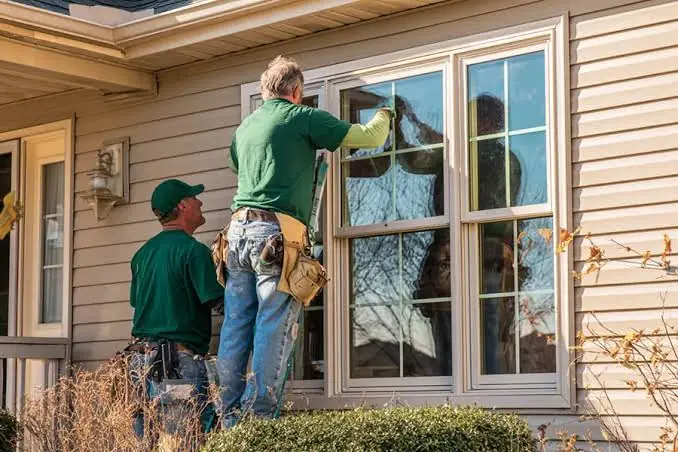
Modern building envelopes depend heavily on the thermal and structural integrity of their fenestration assemblies. When aging structures require a comprehensive refresh of their openings, the approach taken dictates long-term energy performance, structural resilience, and architectural harmony. Upgrading an entire residential or commercial building envelope involves far more than simply swapping out glass panes. It requires a synchronized methodology that coordinates material specification, structural engineering, precision rough-opening preparation, and flawless installation mechanics.
Evaluating whole-house upgrades often leads property owners and project managers toward comprehensive bundled purchasing strategies. However, navigating the market requires looking past standard marketing tiers to analyze the underlying engineering of top window replacement packages. These bundles typically combine specific frame materials, insulated glass unit technologies, specialized hardware, and professional labor warranties. Yet, the true efficacy of any bundle depends entirely on how well its components match the unique structural and climatic demands of the building in question.
This reference guide establishes an exhaustive analytical framework for evaluating, planning, and executing comprehensive fenestration upgrades. By examining historical industry trajectories, mechanical failure modes, technical methodologies, and long-term maintenance protocols, this analysis provides a definitive roadmap. Ultimately, mastering these principles ensures that large-scale fenestration investments achieve maximum structural performance and uncompromised aesthetic value over decades of operation.
Understanding Top Window Replacement Packages
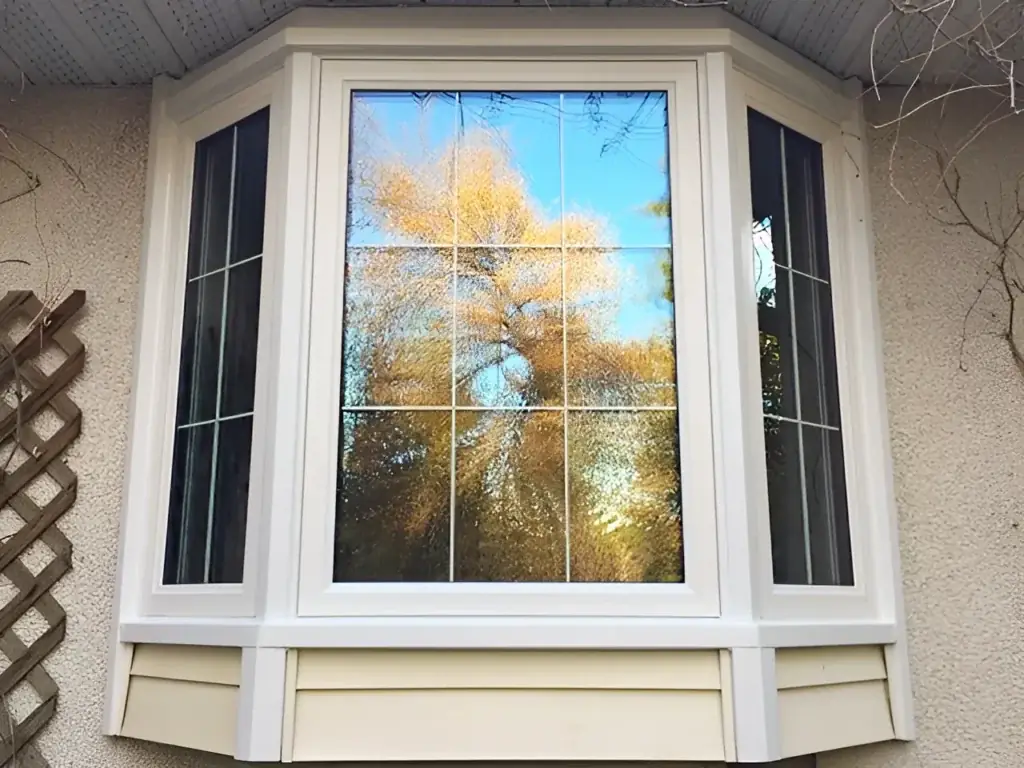
The phrase top window replacement packages refers to the comprehensive procurement and installation bundles offered by manufacturers and specialized contractors that bundle multi-unit fenestration products, custom architectural sizing, perimeter insulation materials, professional labor, and long-term warranty coverage into a single integrated service agreement. Evaluating this specialized market segment requires synthesizing material science, structural engineering standards, thermal performance metrics, and project management logistics.
Misunderstandings in this field typically arise from treating bundled replacements as uniform commodity purchases where price per window serves as the primary metric of value. Furthermore, property owners frequently assume that selecting an all-inclusive manufacturer package eliminates the need for independent architectural oversight or substrate inspection. Oversimplification leads to relying on generic package descriptions that fail to account for unique wall constructions, local wind-load codes, or thermal expansion coefficients. Consequently, projects frequently experience premature seal failure, air infiltration, and structural binding.
Achieving true optimization through bundled upgrades involves addressing four primary performance vectors:
-
Substrate Compatibility and Structural Integration: Ensuring that the chosen package includes appropriate sub-framing, flashing membranes, and anchoring systems suited to the building’s specific wall assembly.
-
Thermal and Solar Performance Matching: Selecting glass packages with U-factors and solar heat gain coefficients tailored precisely to the regional climate zone and orientation of the building.
-
Comprehensive Warranty and Labor Alignment: Verifying that the package covers both product defects and installation labor through an integrated, single-source accountability model.
-
Operational Hardware Durability: Evaluating the mechanical grade of multi-point locks, hinges, and balancing systems included in the bundle to ensure long-term operational fluidity.
When these vectors are executed in coordination, bundled upgrades realize the full potential of modern architectural glass. Moreover, ignoring any single vector creates critical performance gaps that compromise the value of the entire investment.
Deep Contextual Background
The evolution of window replacement purchasing models reflects broader changes in the construction and manufacturing industries. Historically, property owners sourced windows independently from lumberyards, hired local carpenters for installation, and purchased flashing materials separately from hardware suppliers. This fragmented approach frequently resulted in compatibility issues, finger-pointing between trades when leaks occurred, and inconsistent installation quality.
As manufacturing standards advanced and energy conservation codes grew increasingly stringent toward the end of the twentieth century, the fenestration industry underwent a significant consolidation. Manufacturers and regional installation networks began offering complete, turnkey service packages. These top window replacement packages were designed to streamline the procurement process, guarantee product-to-installation compatibility, and provide consumers with unified warranty protection. However, this shift also introduced new complexities, as buyers had to navigate complex contract terms, proprietary installation methods, and varying levels of contractor craftsmanship.
Today, identifying and selecting top window replacement packages requires marrying an understanding of advanced material science with rigorous project procurement oversight. Modern standards demand that bundled offerings provide verified third-party performance certifications, structural engineering calculations, and detailed installation protocols. This systemic shift ensures that large-scale envelope upgrades can deliver predictable thermal and structural performance across diverse architectural typologies.
Conceptual Frameworks and Mental Models
Analyzing the mechanics of comprehensive fenestration procurement requires robust conceptual frameworks that translate complex logistical and thermodynamic principles into actionable decision models.
1. The Total Cost of Ownership Equilibrium
This model conceptualizes a replacement package not by its initial upfront purchase price, but by calculating long-term energy savings, maintenance expenditures, repair liabilities, and expected service life. A higher-tier package with superior thermal breaks and durable coatings often yields a lower lifecycle cost than a budget bundle that requires premature remediation.
2. The Integrated Supply-Chain Chain-of-Custody
In complex building upgrades, accountability matters. This mental model tracks the responsibility continuum from factory extrusion lines to final field installation, ensuring that manufacturer warranties remain fully valid through certified installation teams rather than fractured subcontractors.
3. The Climatic Customization Matrix
Bundled packages are frequently marketed nationally, but building physics are local. This framework dictates that package components—such as gas fills, low-E coatings, and reinforcement bars—must be customized to match specific regional weather patterns, whether facing marine salt spray, desert thermal swings, or northern freeze-thaw cycles.
4. The Structural-Thermal Compatibility Balance
A replacement package must respect the structural realities of the existing wall assembly. This model governs how new pocket or full-frame inserts interface with historic or heavy substrates, preventing thermal bridging and structural overloading.
Key Categories and Methodological Variations
Comprehensive fenestration upgrade projects fall into distinct package categories based on material composition, installation scope, and architectural style. Evaluating these options requires weighing the trade-offs of each tier against specific building constraints.
Selecting the Appropriate Methodology
Choosing between a vinyl pocket replacement package and a premium fiberglass full-frame package depends entirely on the condition of the existing structural framing and energy performance goals. For instance, if existing wood framing shows signs of moisture rot or structural degradation, pocket inserts are wholly inappropriate; a full-frame package that permits rough opening remediation and proper flashing integration becomes mandatory. Conversely, homes with sound structural framing and standard masonry openings often benefit efficiently from high-grade pocket replacement bundles.
Detailed Real-World Scenarios
Illustrating how comprehensive upgrade packages adapt to complex physical realities involves examining diverse operational scenarios.
A : Mid-Century Suburban Home Energy Retrofit
-
Context: A 1970s single-family residence featuring drafty, original single-pane aluminum sliding windows and deteriorating wood buck framing.
-
Constraints: Limited initial project budget, urgent need for winter heating efficiency gains, and standard rectangular rough openings.
-
Decision Points: Selecting a mid-tier vinyl pocket replacement package with insulated glass units (Low-E coatings and argon gas fill) provides an immediate thermal upgrade without requiring disruptive exterior siding removal.
-
Failure Modes & Second-Order Effects: Retaining the old exterior frame hides potential hidden water damage in the rough opening sill. Incorporating a mandatory contingency clause for sill board replacement during installation mitigates this risk.
B : Coastal High-Wind Residence Renovation
-
Context: A two-story home situated directly on an oceanfront bluff exposed to high-velocity wind zones and severe marine corrosion.
-
Constraints: Strict municipal impact-code mandates, aggressive salt-spray corrosion risks, and complex wind-load suction forces.
-
Decision Points: Deploying a premium impact-rated fiberglass package featuring marine-grade stainless steel hardware, laminated glass, and reinforced nailing fins satisfies structural and regulatory requirements.
-
Failure Modes & Second-Order Effects: Galvanic reactions between dissimilar metals can compromise fastening integrity over time. Specifying isolated dielectric separation barriers in the package installation protocol prevents premature corrosion.
C : Historic District Urban Townhouse Update
-
Context: A century-old brick townhouse located within a strict historic preservation district requiring exact aesthetic replication.
-
Constraints: Non-standard opening geometries, historic architectural oversight boards, and the need for modern acoustic dampening against city street noise.
-
Decision Points: Investing in a custom architectural wood-clad package designed to match historic sightlines while incorporating acoustic laminated glass interlayers satisfies both preservation and comfort goals.
-
Failure Modes & Second-Order Effects: Historic masonry shifts over decades, making square installations impossible without custom-milled panning and shimming adjustments.
Planning, Cost, and Resource Dynamics
Executing comprehensive fenestration replacement projects requires balancing direct material outlays with indirect labor costs, project logistics, and long-term financial returns.
Direct vs. Indirect Costs
Direct costs encompass the manufacturing price of the window units, glass packages, and hardware included in the bundle. However, project planners must account for substantial indirect costs to ensure a successful outcome:
-
Professional Installation Labor and Crew Management: Certified installation teams ensuring proper flashing, shimming, and sealing.
-
Disposal and Environmental Compliance Fees: Safe removal and disposal of old glass, lead-paint-contaminated materials, and hazardous old framing components.
-
Substrate Repair and Structural Remediation: Fixing rotted headers, compromised sills, or damaged masonry reveals uncovered during old frame extraction.
-
Interior and Exterior Finish Restoration: Patching drywall, painting trim, and reinstalling exterior siding disturbed during the replacement process.
Tools, Strategies, and Support Systems
Deploying an elite window replacement package demands specialized tooling, diagnostic equipment, and structured quality-control protocols.
-
Laser Plumb and Level Instruments: High-precision optical tools used to verify that replacement frames maintain exact squareness and level alignment within rough openings.
-
Pneumatic Foam Guns and Low-Expansion Sealants: Precision applicators designed to insulate perimeter gaps completely without bowing window frames or restricting sashes.
-
Infrared Thermographic Cameras: Deployed during post-installation thermal audits to verify the absence of air leakage or thermal bridging around frame perimeters.
-
Blower Door Testing Apparatus: Diagnostic equipment used to pressurize buildings and measure whole-envelope air infiltration improvements resulting from the upgrade.
-
Calibrated Torque Wrenches: Essential tools ensuring that structural fasteners and mounting brackets meet strict manufacturer installation tolerances.
-
Oscillating Multi-Tools and Specialized Saws: Precision cutting equipment used during full-frame replacements to extract old units cleanly without destroying adjacent interior plaster or exterior siding.
-
Heavy-Duty Glazing Suction Lifters: Ergonomic lifting tools used to maneuver oversized glass packages safely during installation.
-
Quality Assurance Checklist Documentation: Structured sign-off protocols verifying flashing integration, sealant continuity, and operational smoothness before project sign-off.
Risk Landscape and Failure Modes
Every replacement strategy operates within a risk landscape characterized by moisture intrusion, thermal stress, and improper installation practices. Understanding these failure modes prevents costly post-installation remediation.
1. Concealed Moisture Intrusion Behind Pocket Inserts
When pocket replacement packages are installed without addressing underlying flashing or rotted sill plates, exterior moisture bypasses old blind stops, infiltrating the rough opening and causing hidden structural rot within the wall cavity.
2. Perimeter Sealant Adhesion Failure
Using incompatible or low-grade exterior sealants causes premature cracking, chalking, and bond failure under intense solar UV exposure, resulting in driving rain penetration around the window perimeter.
3. Thermal Bowing and Frame Binding
Extreme temperature fluctuations cause dark-colored or improperly reinforced vinyl and aluminum frames to expand and contract excessively. This thermal bowing leads to jammed sashes and broken hardware mechanisms.
4. Voided Manufacturer Warranties Due to Non-Certified Labor
Many top-tier manufacturers stipulate that their product warranties are legally void if installation is performed by uncertified contractors who deviate from proprietary flashing and fastening specifications.
Governance, Maintenance, and Long-Term Adaptation
A high-performance fenestration upgrade does not conclude when installation crews depart. Long-term structural and thermal efficiency requires structured governance and routine maintenance frameworks.
-
Post-Installation Settlement Review (Month 6): Conducting a follow-up inspection to readjust sash balances, check hardware operation, and inspect perimeter sealants after the building experiences its first complete seasonal climate cycle.
-
Annual Envelope and Sealant Inspection: Inspecting exterior perimeter caulking and flashing joints annually to catch UV degradation and weathering early.
-
Hardware Lubrication Triggers: Establishing clear maintenance routines. Applying silicone-based lubricants to sliding tracks, hinges, and locking gears semi-annually ensures smooth, effortless operation.
-
The Layered Maintenance Checklist:
-
Cleaning weep holes and sill drainage tracks monthly prevents debris accumulation and water backup during heavy storms.
-
Inspecting exterior perimeter silicone joints for cracking or adhesion loss every 3 to 5 years protects against moisture intrusion.
-
Checking balance mechanisms and adjusting tension screws annually maintains proper sash operation and weather-strip compression.
-
Monitoring interior humidity levels to keep moisture within recommended architectural ranges, preventing condensation stress on glass edges.
-
Measurement, Tracking, and Evaluation
Validating the success of comprehensive fenestration replacement packages relies on balanced matrices of leading and lagging indicators, alongside rigorous quantitative and qualitative evaluations.
Quantitative Metrics
-
Whole-Building Air Infiltration Reduction: Measured via standardized blower door testing confirming that envelope airtightness has improved in alignment with project goals.
-
Energy Performance Verification: Comparing pre- and post-installation heating and cooling utility consumption data over equivalent seasonal cycles.
-
U-Factor and Solar Heat Gain Coefficient Compliance: Manufacturer and laboratory certified metrics verifying that installed packages meet or exceed energy efficiency standards.
Qualitative Signals
-
Operational Fluidity: Smooth, quiet movement of operable sashes and effortless engagement of multi-point locking hardware.
-
Acoustic Serenity: Noticeable reduction in exterior street noise, wind turbulence, and neighborhood disturbances inside the living space.
-
Aesthetic and Visual Polish: Crisp interior trim details, flawless exterior caulking lines, and perfect alignment of sightlines across all replacement openings.
Documentation Artifacts
-
Comprehensive Warranty Certificates: Manufacturer product warranties and contractor installation labor guarantees bundled in a single document portfolio.
-
Energy Performance and Rating Labels: NFRC (National Fenestration Rating Council) certification labels verifying thermal performance data.
-
Project Completion and Commissioning Logs: Detailed records of fastener torque, flashing integration, and final inspection sign-offs by certified project managers.
Common Misconceptions and Oversimplifications
The replacement window and home improvement sector is plagued by persistent myths regarding package tiers, cost structures, and installation methodologies. Recognizing and correcting these misconceptions is vital when property owners evaluate investments.
-
Myth 1: The most expensive replacement package always guarantees the best performance.
-
Correction: Package performance depends entirely on correct matching to the building’s climate zone and structural framing; an ultra-high-end northern triple-pane package is inefficient in a mild southern climate.
-
-
Myth 2: Pocket window replacements are functionally identical to full-frame replacements.
-
Correction: Pocket replacements retain the old exterior frame, reducing glass area and leaving hidden rough-opening rot unaddressed, whereas full-frame replacements provide a complete upgrade of the entire opening assembly.
-
-
Myth 3: Lifetime warranties cover all accidental glass breakage and normal wear.
-
Correction: Most manufacturer warranties contain specific exclusions regarding glass breakage, labor costs after initial years, and damage caused by structural building movement or improper maintenance.
-
-
Myth 4: Vinyl windows require zero maintenance over their lifespan.
-
Correction: While vinyl resists rotting, dynamic temperature shifts can warp frames, degrade weatherstripping, and wear out mechanical hardware over time, requiring periodic service adjustments.
-
-
Myth 5: Any local contractor can properly install branded replacement packages.
-
Correction: Many major manufacturers require specialized certification for installation crews to maintain product warranty validity and ensure complex flashing details are executed correctly.
-
-
Myth 6: Window replacement packages instantly eliminate all home energy loss.
-
Correction: While new windows drastically reduce thermal transfer through openings, overall energy efficiency also depends heavily on attic insulation, wall insulation, and air sealing across the entire building envelope.
-
Contextual and Practical Considerations
Executing comprehensive fenestration replacement projects requires navigating complex municipal building codes, regional climate exposures, and structural architectural constraints. For instance, properties situated in wildfire-prone regions or high-wind coastal zones must comply with rigorous municipal codes mandating tempered glass, fire-rated framing, or impact-resistant assemblies. Consequently, selecting packages that carry verified regional certifications becomes mandatory for building department approval.
Furthermore, supply chain logistics and contractor scheduling dictate careful project phasing. When property owners, architects, and developers research options for top window replacement packages across diverse regional contexts, aligning package selections with structural engineering requirements, energy codes, and long-term maintenance realities ensures that building envelopes successfully balance aesthetic elegance, structural resilience, and energy efficiency over decades of continuous operation.
Conclusion
Upgrading building envelopes through comprehensive fenestration packages represents an intersection of advanced manufacturing, precise structural engineering, and meticulous craft execution. Rejecting the oversimplification that window replacement is a simple commodity purchase allows building professionals and property owners to leverage structured frameworks designed to evaluate and execute superior upgrade plans. Mastering principles of substrate compatibility, thermal performance matching, single-source accountability, and risk mitigation transforms structural vulnerabilities into enduring architectural assets. Ultimately, disciplined investment in high-performance fenestration packages protects structural integrity, maximizes energy efficiency, and ensures lasting spatial comfort for generations.