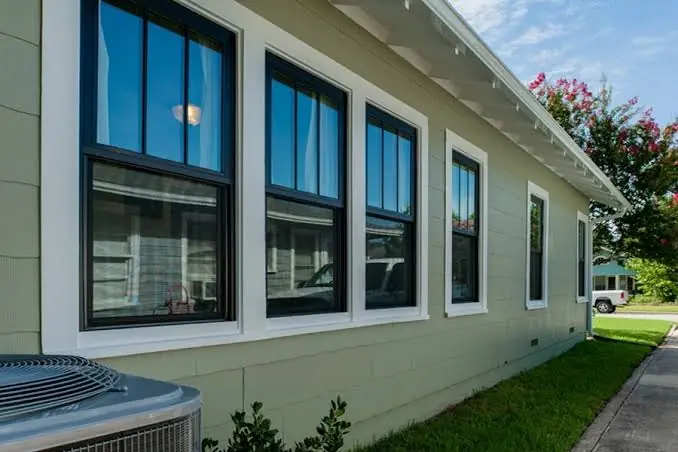
The architectural envelope of American residential and commercial real estate relies fundamentally on the integrity of its fenestration systems. When property owners seek out the best window installation in the us, they frequently confront an overwhelming market landscape saturated with contrasting national franchises, localized trade contractors, and proprietary manufacturing networks.
Securing superior thermal performance, structural longevity, and weather resistance demands far more than selecting high-end glass units from a product catalog. It requires an uncompromising evaluation of labor execution, rough opening detailing, and regional climate adaptability.
Evaluating this domain requires a comprehensive inquiry into the structural mechanics, supply chain dynamics, and regulatory compliance standards that define top-tier fenestration execution. This objective extends well beyond recognizing simple brand names or superficial warranty promises.
It requires a rigorous operational framework that maps multi-stage flashing sequences, structural load-bearing parameters, and certified installation methodologies. Without a disciplined approach, even the most expensive triple-pane glazing packages will fail prematurely if compromised by sloppy installation techniques.
Achieving lasting economic and environmental resilience across diverse American climate zones involves treating fenestration placement as a critical load-bearing engineering intervention. Every regional housing stock—from humid coastal zones to arid desert environments and freezing northern tiers—demands specialized installation protocols and material specifications.
By analyzing the structural mechanics of rough opening preparation, contractor credentialing, and multi-tier warranty structures, this guide provides an exhaustive analytical blueprint for navigating the complexities of high-performance fenestration services nationwide.
Understanding best window installation in the us
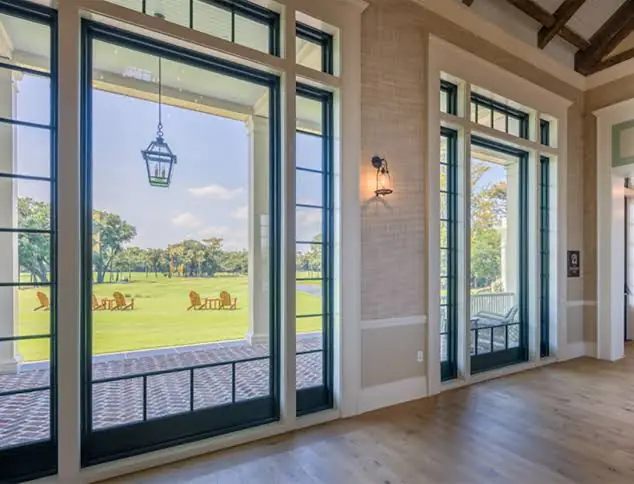
The core mechanics of examining what constitutes the best window installation in the us center on recognizing the vital intersection between precision manufacturing and skilled labor execution. A pervasive misconception among property owners is that national brand recognition guarantees superior craftsmanship.
In practice, major window manufacturers often outsource installation labor to independent subcontractors whose training, supervision, and adherence to building science principles vary wildly by geographic region.
Oversimplification risks abound when consumers equate high product cost with flawless installation performance. For instance, assuming that a lifetime material warranty covers labor defects or water infiltration damage caused by improper flashing sequencing ignores the fine print of standard industry contracts.
Furthermore, treating window replacement as a simple drop-in carpentry task obscures how differential building settling, lead paint abatement mandates, and structural header deflections require specialized technical interventions.
A complete understanding requires evaluating service delivery through a comprehensive lifecycle lens. True excellence encompasses initial consulting transparency, structural rough opening preparation, multi-layer waterproofing, precise calibration, and post-installation warranty support.
When any single administrative or technical variable is omitted from the contractor selection process, the entire investment degrades, leading to chronic energy loss and expensive structural remediation.
Deep Contextual Background
Historically, window replacement in American architecture was executed by local general carpenters or specialized millwork shops who manufactured and fitted units on a regional basis. These traditional practices relied heavily on solid-timber framing, thick plaster walls, and breathable building assemblies that tolerated minor moisture intrusion through natural drying capacities.
Builders operated within familiar local vernaculars, matching material selections directly to regional environmental pressures without heavy reliance on proprietary chemical sealants or complex multi-layer flashing tapes.
The late twentieth century transformed this landscape permanently with the advent of strict energy conservation codes, mass-produced vinyl and aluminum extrusions, and the rise of national home improvement retail chains and corporate franchise networks. The modern residential construction market shifted toward standardized replacement products designed for rapid retrofitting.
However, this commercialization created a distinct chasm between factory engineering and field labor execution.
In contemporary American real estate markets, escalating energy costs, tightening municipal building codes, and extreme weather volatility have heightened the stakes of fenestration quality. Property owners can no longer rely on casual word-of-mouth referrals to select contractors.
Consequently, defining top-tier execution has evolved into a rigorous analytical discipline, requiring verification of Fenestration and Glazing Industry Alliance certifications, insurance compliance, and proven building science competence across diverse climate regions.
Conceptual Frameworks and Mental Models
Navigating the selection of elite window replacement services requires specific mental models that bridge building physics with contractor evaluation metrics.
The Integrated Delivery Chain Model
This framework posits that window performance is co-dependent on three immutable pillars: product manufacturing quality, structural rough opening preparation, and installation labor discipline. In professional evaluation, failure in any single pillar collapses the entire system, regardless of how robust the other two components appear.
The Climate-Specific Adaptation Matrix
American geography encompasses six distinct thermal and moisture climate zones. This mental model establishes that installation details must match local environmental realities—such as rainscreen drainage planes in Pacific Northwest maritime zones versus thermal break performance in northern continental winters.
The Labor-Subcontractor Accountability Gradient
National corporate brands often market under a single umbrella while utilizing tiered subcontractor networks. This model weighs the legal accountability and quality control friction of corporate-owned installation crews against independent certified dealer networks.
The Total Cost of Ownership Horizon
Initial bid pricing frequently obscures downstream expenditures. This framework evaluates upfront labor and material costs against long-term energy savings, warranty transferability, and the probability of call-back remediation expenses.
Key Categories or Variations in National Service Delivery Models
Execution frameworks across the American fenestration industry vary according to corporate structure, supply chain integration, and labor deployment methods. Each model presents distinct operational trade-offs and quality control challenges.
-
Vertically Integrated Manufacturer-Direct Franchises: Companies that manufacture proprietary windows and employ dedicated, factory-trained installation crews. Streamlines accountability, but limits product selection to a single brand catalog.
-
Independent Certified Dealer Networks: Local or regional contractors authorized to sell and install major national window brands. Offers personalized customer service, but installation quality depends entirely on the specific local crew’s training.
-
Big-Box Retail Subcontracting Programs: National retail home centers that broker window sales and outsource labor to vetted local subcontractors. Provides consumer financing leverage, but introduces multi-layered communication silos during dispute resolution.
-
High-End Architectural Custom Builders: Specialized remodeling firms handling complex structural openings, historic restorations, and luxury architectural glazing. Delivers uncompromising craftsmanship, but commands premium capital investments.
-
Specialized Replacement-Only Contractors: High-volume operations focused exclusively on pocket-window swaps without structural wall modifications. Maximizes project velocity and minimizes interior disruption, but cannot address hidden rough opening rot.
-
Full-Frame Structural Retrofit Specialists: Contractors equipped to strip openings down to bare studs, rebuild headers, and upgrade exterior water-resistive barriers. Essential for aging housing stock, but involves extensive labor time and higher costs.
| Delivery Model | Corporate Structure | Quality Control Variance | Pricing Tier | Primary Operational Risk |
| Manufacturer-Direct | Single-Source Enterprise | Low to Moderate | Premium | Limited product variety |
| Certified Local Dealer | Independent Business | Moderate to High | Mid to High | Variable crew competency |
| Big-Box Broker | Outsourced Network | High | Mid Market | Communication silos |
| Architectural Custom | Specialized Boutique | Low | Ultra-Premium | Extended lead times |
| Replacement-Only | High-Volume Chain | Moderate | Value to Mid | Hidden rot oversight |
Realistic Decision Logic
Selecting an execution model requires a cold assessment of the building’s age, structural condition, and budget parameters. If a property features deteriorating mid-century wood framing with history of water intrusion, engaging a high-volume pocket-window replacement franchise is disastrous; full-frame structural retrofit specialists must be deployed.
Conversely, modern tract homes with sound framing and standard openings can utilize certified local dealers or manufacturer-direct services efficiently.
Detailed Real-World Scenarios
Analyzing practical execution environments illuminates how structural constraints and contractor models interact across the American housing market.
A : Historic Brownstone Retrofit in the Northeast
-
Constraints: Multi-story masonry structure, strict historic district architectural guidelines, deteriorating timber bucks.
-
Decision Points: The property owner evaluates a high-volume vinyl replacement franchise versus a specialized historic preservation carpentry firm.
-
Failure Modes: The low-cost franchise attempts a standard pocket installation, cracking interior plaster moldings and failing to tie into historic through-wall flashing elements.
-
Second-Order Effects: Severe moisture penetration behind the masonry facade triggers structural wood rot within two winters, resulting in expensive legal disputes and architectural remediation.
B : Coastal Hurricane-Zone Replacement in South Florida
-
Constraints: High-velocity hurricane zones, strict impact-resistance building codes, corrosive salt-air environment.
-
Decision Points: The homeowner selects a certified local dealer specializing in HVHZ-rated aluminum-reinforced impact windows with marine-grade fasteners.
-
Failure Modes: Installers omit the mandated polyurethane sealant bead beneath the sill anchor flange, allowing wind-driven storm water to bypass the moisture barrier.
-
Second-Order Effects: During the next seasonal hurricane, water pools inside the rough opening, causing subfloor damage and interior drywall collapse despite the impact-resistant glass holding firm.
C : Energy Retrofit in an Alpine Mountain Climate
-
Constraints: Sub-zero winter temperatures, heavy snow loads, ultra-low U-factor performance requirements.
-
Decision Points: The project team hires a manufacturer-direct crew certified in advanced thermal-break installation and triple-pane integration.
-
Failure Modes: Crews neglect to insulate the deep cavity between the window frame and rough opening with low-expansion foam, leaving uninsulated thermal bridges.
-
Second-Order Effects: Heavy condensation forms along the interior window perimeters during deep freezes, breeding mold and ruining custom interior wood trim packages.
Planning, Cost, and Resource Dynamics
Establishing economic control over premium fenestration projects requires navigating a complex matrix of direct and indirect financial commitments.
Direct costs encompass window unit manufacturing expenses, specialized labor wages, structural lumber for header repairs, and disposal fees for old units. Indirect costs represent the financial friction of poor installation: call-back labor, energy loss during thermal bridging, and premature component degradation.
Opportunity costs manifest as the time penalty of vetting multiple contractors and coordinating complex schedules. Rushing contractor selection to secure a low bid routinely invites catastrophic installation errors that consume multiple times the initial savings in emergency remediation work.
| Expense Category | Description / Typical Elements | Financial Volatility | Optimization Potential |
| Window Unit Manufacturing | Glass packages, frames, hardware | Low to Moderate | High (Material tier selection) |
| Specialized Installation Labor | Certified technicians, carpentry | Moderate (Regional labor rates) | Moderate (Vetted contractor bidding) |
| Rough Opening Remediation | Rot repair, header upgrades | Extreme (Unpredictable damage) | High (Contingent on thorough pre-audit) |
| Warranty & Insurance | Labor guarantees, liability policies | Low (Fixed contractor overhead) | Maximum (Protects long-term asset value) |
Tools, Strategies, and Support Systems
Executing superior fenestration projects requires a reliable suite of physical tools, digital verification platforms, and administrative support systems.
-
OSHA-Compliant Scaffolding and Lift Equipment: Essential for safe multi-story residential and commercial fenestration handling.
-
Rotary Laser Levels and Plumb Bobs: Guarantee absolute squareness and level orientation during structural setting.
-
Thermal Imaging Infrared Cameras: Detect air infiltration, thermal bridging, and insulation voids post-installation.
-
Blower Door Testing Apparatus: Measure total building envelope airtightness improvements resulting from the retrofit.
-
Digital Torque-Limiting Drivers: Prevent over-tightening of mounting flanges that cause frame bowing and sash binding.
-
Pre-Formed Sill Pan Waterproofing Systems: Channel infiltrating water safely to the exterior wall plane.
-
Moisture Meter Probes: Verify framing lumber moisture content prior to enclosing rough openings.
Limits exist within these systems. Thermal cameras cannot identify hidden internal flashing failures without active temperature differentials. Administrative discipline remains dependent entirely on contractor adherence to manufacturer installation protocols.
Risk Landscape and Failure Modes
Failing to secure disciplined, high-caliber labor during window upgrades triggers a compounding cascade of physical and financial degradation across the building envelope.
The primary operational risk is hidden moisture accumulation. When flashing, weather-resistive barriers, and sill pans are improperly sequenced, bulk rainwater infiltrates structural framing members, remaining undetected behind siding until advanced wood decay compromises load-bearing studs.
Compounding risks emerge when thermal bridging and air leaks drive up utility consumption and degrade indoor air quality. Persistent condensation fosters mold colonies, triggering occupant respiratory issues and diminishing the structural market value of the property.
Governance, Maintenance, and Long-Term Adaptation
Maintaining the performance efficiency and warranty validity of premium window investments requires ongoing governance and adherence to industry standards.
Governance relies on standards established by organizations such as the Fenestration and Glazing Industry Alliance and American Society for Testing and Materials guidelines. Contracts must clearly delineate whether the manufacturer, dealer, or installation subcontractor holds liability for labor defects versus product failures.
Routine maintenance cycles should involve annual inspections of exterior sealants, weatherstripping elasticity, and operating hardware lubrication. Property managers must clear weep holes regularly to prevent water pooling within frame channels.
When seal degradation occurs, prompt re-caulking preserves the secondary weather defense of the assembly.
Measurement, Tracking, and Evaluation
Evaluating the long-term success of national installation services requires balancing quantitative efficiency metrics against qualitative craftsmanship signals.
Leading indicators include zero plan-check violations, verified squareness and level logs, and complete manufacturer installation checklists. Lagging indicators encompass reduced monthly heating and cooling utility bills, effortless sash operation, and the complete absence of water infiltration call-backs.
Documentation Framework Examples
-
Pre-Installation Structural Audit Log: A baseline document recording rough opening squareness, framing condition, and moisture content.
-
Manufacturer Installation Compliance Checklist: A signed verification form confirming adherence to required flashing and fastening protocols.
-
Post-Installation Performance Report: Records of thermal imaging scans and blower door test results verifying envelope integrity.
-
Comprehensive Warranty Ledger: A centralized file containing product guarantees, labor workmanship bonds, and transfer documentation.
Common Misconceptions and Oversimplifications
-
Misconception 1: Purchasing premium windows from a nationally recognized brand guarantees superior installation quality.
-
Correction: Major manufacturers frequently outsource labor to independent subcontractors; installation quality depends entirely on the specific local crew’s training.
-
-
Misconception 2: Pocket window replacements are universally applicable to all aging homes.
-
Correction: Pocket replacements leave old, potentially rotted structural wood in place; homes with failing rough openings require full-frame tear-outs.
-
-
Misconception 3: Exterior caulking alone constitutes a complete weatherproofing system for a window installation.
-
Correction: Caulk is a secondary maintenance seal; primary weather protection relies on integrated sloped sill pans and multi-layer flashing membranes.
-
-
Misconception 4: Lifetime window warranties cover labor costs associated with fixing installation errors.
-
Correction: Standard product warranties cover manufacturing defects only; labor warranties are typically short-term and provided solely by the installing contractor.
-
-
Misconception 5: Energy Star ratings reflect the actual in-service energy efficiency of the installed window.
-
Correction: Ratings measure factory glass and frame performance; uninsulated rough opening gaps and air leaks during installation heavily degrade real-world efficiency.
-
-
Misconception 6: Standardizing window sizes eliminates the need for professional site measurement surveys.
-
Correction: Framing settling and structural distortion mean no two rough openings are identical, requiring precise multi-point custom measurements.
-
Ethical, Practical, and Contextual Considerations
The responsibility of delivering top-tier fenestration services extends beyond commercial contract fulfillment; it touches upon housing durability, energy conservation, and consumer protection. Buildings represent massive capital investments and vital environmental shelters. Careless installation practices result in premature material waste, energy loss, and severe financial hardship for property owners.
Practically, ensuring robust installation standards protects inhabitants from structural decay, toxic mold growth, and inflated utility expenses. Industry professionals hold an ethical obligation to maintain uncompromising technical rigor, honoring the structural integrity of every building envelope they modify.
Conclusion
Securing structural longevity, thermal efficiency, and long-term asset value across residential and commercial properties requires absolute mastery of fenestration installation mechanics. By prioritizing vetted contractor credentials, rigorous rough opening preparation, integrated flashing systems, and multi-tier warranty documentation over surface-level brand recognition, property owners can identify true excellence. Navigating the market with this rigorous analytical mindset ensures that every window upgrade delivers peak performance, structural safety, and lasting architectural integrity over its entire operational lifecycle.